Anúncios
travel marketing success stories show how real campaigns shape demand, brand perception, and community outcomes without overpromising results.
You’ll see why case studies matter in 2025 when the industry moves fast and audiences expect authentic experiences. The World Travel & Tourism Council estimated a $8.9 trillion contribution in 2019, so evidence matters.
Practical lessons come from long-running work like 100% Pure New Zealand and rebounds such as Inspired by Iceland after the 2010 eruption. You’ll also read about high-reach media moments, including a California ad that reached millions.
This post is educational and hands-on. It previews how a campaign’s goals, media mix, content, partnerships, budgets, and KPIs link to traveler behavior. Use these examples as transferable tactics, not guarantees, and check local tourism boards and official guidance before planning your next trip.
Introduction: Why travel marketing success stories matter in 2025
In 2025, clear case examples help you separate bold claims from practical tactics that actually move demand. You need context on shifting behavior and digital disruption to plan a resilient campaign.
Anúncios
How changing traveler behavior reshapes campaigns
Today’s travelers expect flexible, values-aligned experiences. That shifts your measurement from clicks to sentiment and community impact.
Quick implications:
- Design offers for flexibility and refunds.
- Localize creative for multi-market audiences.
- Measure beyond bookings to trust and equitable benefits.
Technology, culture, and sustainability as growth drivers
AI adoption is accelerating personalization and media optimization. Wellness and culture-driven demand move from niche to mainstream by 2030.
Anúncios
Practical note: work with agencies, boards, and partners to share data and creative. Keep privacy and consent front of mind.
What you’ll learn: case takeaways on audience insight, channel mix, creator partnerships, and reputation management to guide your next campaign.
Travel design and tourism marketing today: trends you can use
Smart personalization and immersive previews let you turn intrigue into bookings more reliably.
Hyper-personalization, AI, and wellness momentum
AI in tourism is growing fast, from $2.95B in 2024 to a projected $13.38B by 2030. Use that power for dynamic creatives, predictive audiences, and tailored itinerary ideas that respect privacy.
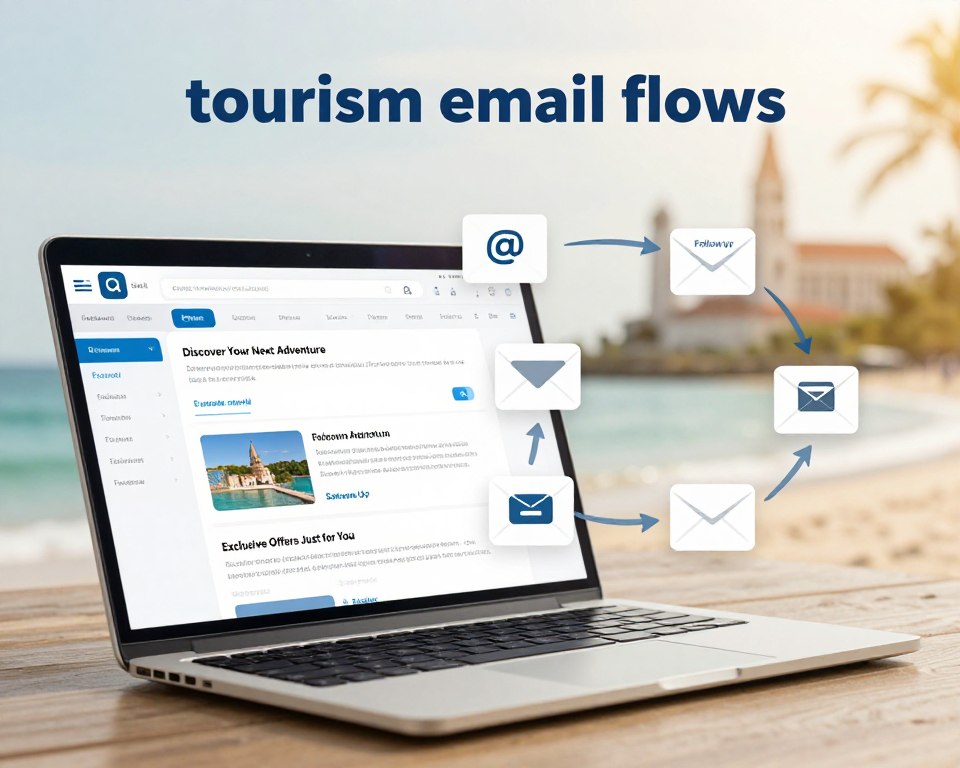
Quick steps: create personalized email journeys, test predictive segments, and serve offers that match intent. Add wellness and nature-forward adventure themes to your content pillars; wellness is forecast to reach $2.1T by 2030.
From visuals to experiences: immersive content and VR
360 videos, lightweight AR, and VR previews build confidence when paired with clear pricing and simple booking flows.
“Immersive previews lift bookings most when UX is fast and offers are straightforward.”
- Prioritize short videos, live demos, and captions for sound-off platforms.
- Combine brand world-building with direct-response ads and clear CTAs.
- Playbook example: teaser videos, creator walk-throughs, itinerary carousels, and retargeting sequences.
Test-and-learn sprints help you optimize creative length and CTAs per platform. Not every tech fits every audience—choose by goals, budget, and accessibility, and align each tactic to your campaign calendar and KPIs.
Destination marketing foundations: strategy before storytelling
Start your destination work by setting clear, measurable goals before any creative idea takes shape.
You begin with a sharp brief: the goal, audience segments, and the metrics that show meaningful progress. This keeps creative teams and partners aligned.
Research comes next. Use search and social listening, surveys, and partner feedback to map intent and seasonality.Include on-the-ground views so your approach matches capacity and community needs.
Clear steps to follow
- Mix upper-funnel brand work with mid- and lower-funnel conversion tied to the traveler journey.
- Define benefits for residents and local businesses and manage seasonality to reduce pressure on popular places.
- Involve agencies and tourism partners early to share data, assets, and media leverage.
- Write KPIs for awareness, consideration, bookings, and sentiment with reporting cadences.
“Plan experiences and content partners can deliver consistently — that makes campaigns credible on the ground.”
Practical note: check official guidance for regulations and visitor management before you scale any campaign.
Case study: #LOVEGC community-powered recovery on Australia’s Gold Coast
After Cyclone Alfred, the Gold Coast needed a fast, human-led effort to rebuild confidence. The campaign’s immediate goal was to restore trust, fill near-term demand windows, and protect local jobs in a recovering city.
Objectives and context
The city faced reputational damage and low occupancy. You needed clear aims: show safe conditions, spotlight open businesses, and drive bookings for key dates like Easter.
Execution: user-generated content, creators, and funding
Experience Gold Coast launched #LOVEGC and encouraged UGC across Instagram, TikTok, and Facebook. Creators and a few celebrities amplified short videos and posts.
The city council allocated over AUD$3 million for media, content, and events to speed reach and conversion.
Results and what moved the needle
Within weeks, the campaign generated millions of impressions and improved sentiment. Easter bookings approached pre-cyclone occupancy and local revenue rose about 15% versus early projections.
Key lessons
- People trust local voices: authentic UGC reduced perceived risk for travelers.
- Fund content fast: aligned offers plus targeted paid boosts convert attention into bookings.
- Governance matters: moderate posts, share safety updates, and use empathetic messaging.
Case study: Tourism New Zealand’s 2025 “Everyone Must Go”
When a small budget meets a provocative idea, the outcome teaches clear lessons. Tourism New Zealand invested NZ$500,000 in a targeted campaign to stimulate Australian demand quickly.
Provocative message, media mix, and cross-border targeting
The campaign used digital, TV, radio, and OOH to reach a specific Australian audience. Paid ads and video variations ran alongside earned stories that amplified reach.
Results and reputation: awareness gains amid controversy
Early results were measurable: brand awareness in Australia rose by 17%, and inquiries plus bookings climbed in the first quarter. Yet the slogan drew domestic criticism for echoing emigration concerns.
Key lessons: align bold ideas with domestic sentiment
- Goal clarity: you need a tight brief that explains why urgency is necessary.
- Stakeholder buy-in: consult local voices to avoid image trade-offs.
- Pre-flight checks: run social listening, sentiment modeling, and rapid response plans.
“Bold creative can lift awareness fast — but you must test tone and have a plan to reframe the message.”
Practical pivots included shifting storytelling to highlight cultural respect and local benefits. You can keep memorability while avoiding negative associations by testing ads and video tones in-market first.
Inspired by Iceland: user‑generated content that rebuilt confidence
When ash grounded planes, a people-first approach turned personal posts into persuasive reassurance. Visit Iceland invited visitors to share photos, video diaries, and short posts under a central hashtag.
The campaign used curated galleries and local spotlights to show safe, open destinations across the country. Transparent updates and peer voices changed perception more than polished ads.
Turning a volcanic event into authentic storytelling
Simple mechanics made this repeatable: a clear submission guide, rights management, and small creator grants to boost quality and reach.
- Central hashtag and moderated galleries to build trust.
- Itinerary links and partner offers with airlines and hotels.
- Safety checks, fact verification, and respectful moderation.
“People trust people. Authentic posts reduce uncertainty faster than perfect production.”
Pair UGC with itinerary tools and clear booking links to capture interest ethically. This case highlights resilient storytelling that dignifies communities and informs travelers without overclaiming outcomes.
Sweden’s folklore PR: geo-locked audio and cultural immersion
A folklore-driven audio idea turned Sweden’s parks into living stages. You experience a short horror piece called “Kiln” by John Ajvide Lindqvist only when you enter specific national parks via Spotify.
Strategy and myth-driven positioning
The campaign paired local myth with nature to create a distinct cultural promise for niche audiences. This approach used PR novelty and owned hubs to explain the idea and invite on-site immersion.
Execution and measured outcomes
Geo-locking made parks feel like immersive venues. The campaign reached about 150 million in the UK and US and hit roughly 80% of its target. Recognition of Sweden as a destination rose 16% and cultural image climbed 14%, while desire to visit increased 5%.
“Turn locations into stages—audio can make place feel personal and shareable.”
What worked and how to replicate
- Match clear archetypes to an engaged niche audience and deep content.
- Use PRable concepts plus audio platforms, social explainers, and light ads for scale.
- Offer inclusive options: transcripts, off-site versions, and safe on-site guidance.
As a low-cost example, you can pilot short audio tracks and simple on-trail cues to test interest before larger media buys. This case shows how focused storytelling and careful execution can lift recognition without huge budgets.
Tourism Australia’s “Come and Say G’day”: characters, culture, and reach
Tourism Australia’s 2022 push used playful characters to make the country feel personal and inviting to global audiences.

The creative centered on Ruby the kangaroo (Rose Byrne) and Louie the unicorn (Will Arnett). A short film, TV, OOH, digital ads, and social edits ran across 15 markets. The soundtrack featured King Stingray in English and Yolŋu Matha to root the work culturally.
Multi-channel creative, partnerships, and flight demand
What worked: memorable characters and music localized Australia’s culture for global viewers. The media system used a hero film, cutdowns, and market-specific placements across platforms.
- 190 partnerships with airlines, OTAs, and agencies extended distribution and special offers.
- Video craft, strong visuals, and captions improved accessibility and shareability.
- By July 2023, visitation recovered to ~80% of July 2019 and flight inquiries rose ~10%.
How you can apply this: use a host character or creator-led series on a smaller budget. Sequence placement from broad awareness to retargeted trip planners and align co-op promos with city gateways to spread demand.
For a deeper production and distribution look at chapter two of the campaign, see this analysis.
“Memorable characters plus authentic music can turn cultural identity into measurable booking interest.”
Quick checklist: approvals, rights clearances, talent release forms, and market-specific usage terms before you scale a campaign across regions.
California’s “Am I Dreaming?” Super Bowl moment
The “Am I Dreaming?” spot showed how one high-profile moment can pull global attention to a place. It aired as a Super Bowl pregame ad in 2022, reached about 60 million viewers, and ranked AdForum’s #1 ad worldwide.
High-impact media, cinematic visuals, and sustained attention
Why tentpole media matters: a single tentpole buys instant scale and frames your city for millions of people in minutes. Use cinematic video and sharp visuals so short runtime still feels epic.
After the air date, extend the spike. Retarget viewers with tailored landing pages and partner offers that match intent. Track engagement signals and brand lift as complements to bookings when direct attribution is hard.
“A live moment gets attention; timely follow-up turns attention into consideration.”
- Make platform-native edits and creator recuts to fit audience habits.
- Sequence your pacing: tease, live moment, recap, then seasonal follow-ups.
- Link the hero spot to city and regional tie‑ins so trip ideas funnel to inventory.
Weigh budget trade-offs: one big tentpole versus several targeted bursts. Measure with media-mix modeling and incrementality tests where you can. Finally, ensure accessibility and inclusive casting, narration, and subtitles so all people can engage.
Long-running destination brands: 100% Pure New Zealand and more
A strong, consistent brand promise helps a country stay top of mind across shifts in channels and audiences.
Consistency, adaptability, and the power of a simple promise
Define the promise. A destination brand is a short idea you and partners can repeat. Simplicity lets you tell many small stories without losing focus.
How New Zealand kept this working: 100% Pure New Zealand (since 1999) kept core visuals and tone while modernizing formats, using UGC, creators, and short video for new platforms.
- Use seasonal themes and regional spotlights to refresh interest.
- Create content toolkits, templates, and rights rules to speed production.
- Set governance with agencies and partners to protect quality across markets.
Measure brand health: track awareness, consideration, preference, and cultural associations with regular surveys and media lift tests.
“Consistency builds trust; adaptability keeps relevance.”
Smaller destinations can borrow the playbook: pick one promise, craft simple assets, and scale with partners rather than copying big-budget ads.
travel marketing success stories across platforms: what works now
Creators, short video, and interactive experiences often work together to turn attention into action. Use formats that match where your audience is in the trip-planning journey.
Video, short-form, and creator collaborations
Map platform roles: YouTube for deep, informative videos; Reels and TikTok for discovery; Pinterest for planning signals.
Work with creators to co-develop concepts, set disclosures, and agree usage rights for paid ads and edits. Short hooks, captions, and value-first storytelling raise engagement and saves.
UGC, live experiences, and interactive microsites
Integrate user-generated content as social proof and pair it with clear trip info and safety notes. Live formats—Q&As, virtual tours, festival streams—create real-time connection and follow-through opportunities.
Interactive microsites and maps help people compare options quickly. For example, Visit Sichuan built HTML5 microsites and WeChat mini-programs to localize experiences and reshape perception.
- Adapt message and visuals by audience, market, and season.
- Set agency workflows for asset sharing and co-branded campaigns.
- Test formats, lengths, and CTAs in a simple matrix and measure engagement quality—saves, shares, and assisted conversions.
Practical note: prioritize testing over guessing—run quick format A/Bs, track engagement, then scale the versions that drive planning actions.
Designing campaigns that convert: from attention to booking
Start with the moments that push a browser to book—those split seconds shape your whole campaign. Map decision points and remove the small frictions that stop a purchase.
Journey mapping, offer design, and frictionless UX
Map the journey. Break the path into stages, note when your audience decides, and match creative to each moment.
Design offers that fit intent. Provide weekend city breaks, seasonal nature escapes, or festival bundles so the right trip meets the right person.
- Simplify UX: short forms, guest checkout, and fast mobile pages for better bookings.
- Align creative and page content so expectations match the on-site experience and brand promise.
- Build trust with clear pricing, refund policies, and verified reviews before purchase.
- Integrate partners for accurate packages and localize payments and language for key markets.
- Use remarketing and consented personalization, then connect bookings to post-trip engagement and reviews.
“Immersive content converts best when it pairs with clear offers and a fast, accessible checkout.”
Measurement that matters: engagement, sentiment, and results
Measure what changes behavior, not just clicks: focus on signals that link awareness to bookings while keeping methods privacy-safe and transparent.
Attribution, incremental lift, and booking signals
Start by defining your north-star metrics by funnel stage and destination objectives. Pick one primary metric for awareness, one for consideration, and one for bookings.
Use multiple methods:
- MMM and geo experiments to estimate incremental impact.
- Lift tests and brand-lift surveys after tentpole moments.
- Platform-agnostic dashboards to combine data from ads, videos, and organic content.
Track privacy-respecting events and prefer server-side validation where permitted. Include diagnostics like view-through, saves, shares, and completion to judge creative health.
Triangulate results—Sweden’s +16% recognition and California’s brand-lift learnings show why you should pair PR and paid. Factor seasonality and external events into baselines and avoid over-attributing one campaign to all gains.
“Embed visitor feedback and partner reports to close the loop and make your approach more resilient.”
Sustainability and community: aligning impact with growth
Good stewardship turns visitor attention into long-term value for residents and nature. Design events and offers so your campaign supports local jobs, conservation, and a welcoming experience for all.
Eco-events, seasonality management, and local benefits
Look to Meghalaya’s 2024 Shillong Cherry Blossom Festival: it blended culture, nature, and eco-education and drew 150,000 visitors. Local hotels, food vendors, craftspeople, and transport providers reported clear benefits.
“Center communities and conservation first—economic gains follow when you do the right planning.”
- Plan eco-events that pair conservation education with heritage activities and local creators.
- Manage seasonality by promoting shoulder months and lesser-known areas to spread demand.
- Define and measure benefits for residents: jobs, training, and small-business support you can report on.
- Use storytelling to set etiquette, capacity limits, and safety expectations before visitors arrive.
Partner with communities to co-create programming, publish impact reports with environmental and social indicators, and remind travelers to plan responsibly after the post and before an adventure.
From insights to action: a framework for your next campaign
A clear framework helps you convert audience signals into repeatable steps teams can use. Start with a tight brief, then move through build, test, and scale so work stays focused and measurable.
Brief, build, test, scale: a repeatable approach
Brief: write one page that captures goals, audiences, key insights, constraints, and the community outcomes you want to protect. Include sustainability and local benefits up front.
Build: co-create assets with partners and diverse voices. Set accessibility standards and brand guardrails so local adaptations stay on message.
Test: run small paid pilots to trial message, length, and format. Use quick A/Bs and lift tests to spot what moves intent before you spend big.
Scale: amplify winners with partner co-op budgets, performance guardrails, and regional tweaks. Lock measurement and reporting so teams can act fast.
- Document lessons in a shared playbook for agencies and teams.
- Set KPIs, agreed attribution methods, and a measurement cadence.
- Prepare contingency plans for crises, weather, and operations.
- Close the loop with post-campaign readouts and a refreshed roadmap.
“A repeatable approach keeps your team aligned and spending efficient.”
Practical note: use these steps as a living process. The best strategy links insight, creative testing, and scaled distribution—just like the examples from Australia, Sweden, and the Gold Coast show—so your next campaign is faster and more resilient.
Conclusion
Thoughtful campaigns rooted in local insight and clear goals deliver durable brand and community value. You should aim for measurable plans, not grand promises, so your work earns trust and long-term success in the industry.
Case studies across Australia, Iceland, Sweden, California, and India show that culture, tech, and partners can reset demand when you act with empathy. Adapt tactics to your market and season; no single approach fits every audience.
Respect destinations and consult official sources—tourism boards, DMOs, and embassies—for visa, safety, and event updates before a trip. Help travelers plan responsibly and honor local needs.
Finally, earn attention with a useful message, inclusive creative, and disciplined media and measurement. Pilot ideas, iterate, then scale what works—this is how you welcome the world while supporting communities.