Anúncios
how to Travel Tech that actually saves space, extends phone and laptop life, and makes your trip calmer?
You start by anchoring choices in clear metrics: battery hours, charging speed, and network coverage. Measured specs steer smarter packing. For example, the Bowers & Wilkins Px7 S3 gives 30 hours and airplane-cord support, while AirPods 4 offer about 5 hours per charge.
Compact devices are the 2025 trend. Portable chargers like myCharge speed charges three devices. Hotspots such as Solis Lite work across 140+ countries and run 16 hours. Adapters with built-in fuses and cruise compliance protect your camera and phone.
Set realistic trade-offs: balance power vs. weight and screen size vs. bag space. This article will show simple checks you can use before departure, ways to optimize settings en route, and how to measure real performance after you return.
Introduction: how to Travel Tech in 2025 for better trips and smarter operations
Practical gadgets can shave minutes from travel days and add hours to device life. You’ll learn simple checks and real examples that make packing and on-the-road decisions clearer. This guide balances measurable specs with plain use cases so you can match gear to your needs.
Anúncios
Why this matters: travel gear now affects your time, comfort, and battery life. Small screens like the iPad Mini 6 (8.3″ display, all-day battery) work for reading and streaming. A portable monitor such as the Arzopa A1 (15.6″, 1.6 lb) expands workspace without crowding your bag.
What this guide covers:
- Compare KPIs and pick options that fit each leg of your trip.
- Settings and packing tips that conserve power and free up space.
- Security, data, and adapter notes that prevent common problems.
- Simple post-trip review steps so you know what to keep, repair, or replace.
Test gear at home, cross-check airline and local rules, and treat this as educational guidance rather than guarantees. Responsible planning reduces surprises and improves your overall experience.
Anúncios
Clarifying “travel tech”: gear for travelers vs. travel healthcare tech roles
Smart search habits help you spot device reviews and medical assignments without the guesswork.
Consumer gear means the devices and services you bring on trips: headphones, compact adapters, portable hotspots, and power banks. These items ease flights, meetings, and remote work. When shopping, add words like “devices” or “gadgets” to your queries so results focus on products rather than careers.
Travel gadgets and services for tourism and business travel
Think of simple wins: ANC headphones for quiet, multi-port chargers for fast top-ups, and a pocket hotspot for steady data. Use short lists and product filters for location-specific coverage.
Travel OR and medical roles: definitions, pay, demand
Travel OR tech refers to perioperative professionals who assist surgeons, prep equipment, check vitals, transfer patients, deliver specimens, and restock the room. Typical requirements include an associate’s degree from a CAAHEP-accredited program, certifications (CST, TS-C, NCORST), and often 1–2 years experience. BLS projects ~6% growth (2023–2033) with roughly 8,700 openings per year; ZipRecruiter lists average weekly pay near $1,882, with higher rates in Seattle and Bay Area cities. Agencies can help with licensure guidance and placements.
Avoiding confusion when researching jobs versus devices
- Search “gadgets” for consumer results and “jobs” or “OR” for roles by location.
- Keep separate bookmarks and keyword sets for gear research and job hunting.
- Verify state licensure and employer requirements on official boards before you apply or accept assignments.
Setting your KPIs: the travel-tech metrics that actually matter
Turn spec sheets into decisions by choosing metrics that match your itinerary and use patterns.
Battery life and charge speed: note rated battery hours, watt output, and port count. For example, myCharge charges three devices and recharges in under five hours; that 2.4x fast charging advantage matters when outlets are scarce.
Size, weight, and packability: prefer slim monitors and foldable panels. The Xgimi MoGo 4 Laser ships with a rugged case and runs up to five hours — useful if you need a protected, quick cinema setup.
Connectivity and coverage: check hotspot regions and simultaneous-device limits. Solis Lite covers 140+ countries and supports ten devices; Epicka reaches 200+ regions and includes spare fuses but skip it where Type M plugs are required.
Sound, screen, durability: compare ANC quality and screen brightness for bright cabins. JBL Clip 5 has waterproof, dustproof build plus app EQ. Look for IP ratings, certified fuses, and drop-tested cases when safety matters.
Make a one-page KPI tracker:
- Match battery hours to your longest transit leg.
- Count ports versus device cycles and plan fast charging around outlet access.
- Record coverage regions and adapter needs for each stop.
- Run timing tests at home to confirm real battery and charging times.
Test, record, repeat: labels like “all-day” are estimates. Validate claims against your own use and pack the right adapter and case for peace of mind.
Headphones and earbuds: noise, comfort, and screen-time sanity
On long trips, the right headphones keep noise down and patience up. Choose gear that matches your route, seat, and how long you expect to listen.
Over-ear ANC standouts
The Bowers & Wilkins Px7 S3 offers advanced ANC, eight microphones, and roughly 30 hours of battery. Its airplane cord is a reliable wired backup when Bluetooth isn’t allowed or power runs low.
Pick over-ear models like this when you need maximum noise reduction and padded comfort for long flights.
Earbuds with ANC and transparency
AirPods 4 give ANC, transparency, and adaptive audio in a lightweight package. Expect about five hours per charge, which suits segments of a day when you prefer compact devices and a phone in your pocket.
Switch modes—ANC, transparency, adaptive—so you stay aware for announcements or boarding.
Kid-safe listening and comfort checks
For children, wired iClever HS19 headphones fold, pack small, and include volume limits at 74/85 dB. That helps protect hearing on long rides.
- Comfort checklist: ear cushion fit, clamp force, headband padding.
- Test mic quality and Bluetooth pairing at home to avoid mid-flight setup stress.
- Carry a small hard case or padded pouch to protect gear in a crowded bag.
Practical tips: expect over-ear sets to cover a full travel day; earbuds work for shorter stretches. Take short listening breaks to reduce fatigue and preserve hearing. Your best pick depends on route length, seat type, and personal comfort.
Power banks and solar panels: keeping phone, laptop, and camera alive
Keep essential cells topped up with a mix of compact banks and foldable panels for long days on the move.
Capacity and ports matter. Choose a compact power bank when you have one phone and short legs between outlets. Pick a larger unit when multiple devices need a full charge or a long overnight transit.
Fast multi-device charging
The myCharge unit supports three-device charging (Lightning or USB-C variant plus USB-A) and charges up to 2.4x faster than standard banks. Wall recharge finishes under five hours, which keeps your kit ready for the next day.
Off‑grid charging with folding panels
BigBlue SolarPowa 14 folds into four panels, offers 5V USB-A output, and can top a phone in roughly four hours of good sun. It ships with carabiners for easy mounting on a pack, tent, or RV awning.
- Carry compact banks for short hops; larger banks for multi-device days.
- Multi-port banks remove cable conflicts and let a partner share power.
- Fast charging saves precious minutes during airport turnarounds.
- Pack power banks in carry-on only and check airline watt‑hour limits.
- Use carabiners and tilt the panel toward the sun for best output.
Real-world note: solar charging varies with weather; pair a panel with a bank to store energy for evening use. Label cables and test every port before departure. Using sun power on bright days also reduces outlet hunting and extends battery life cycles.
Adapters and in-flight solutions: make every seat and socket work
Adapters and small audio bridges turn limited airplane outlets and old seatback jacks into reliable spots for charging and listening. Carrying the right items prevents last-minute searches at the gate.
Universal plug coverage and safety features
The Epicka adapter covers four plug types and works in 200+ regions. It includes USB‑C plus four USB‑A ports, spare fuses, and cruise compliance. Note: it does not support Type M plugs used in South Africa and parts of India.
Verify your destination’s plug type on official sites before you pack. If Type M appears, plan to buy a local adapter or a small converter at your first stop.
Bluetooth seatback audio: AirFly SE and Pro
Twelve South’s AirFly SE runs up to 25 hours and connects a single listener. The Pro supports two listeners for shared movies. Test pairing at home so your headphones and controls work mid-flight.
- Pack one adapter per traveler when charging multiple devices overnight.
- Pre-charge AirFly, your headphones, and a small power bank before long hauls.
- Avoid plugging high-draw appliances into travel adapters; stick to phones and low‑power gadgets.
Before you board: check airline battery and usage rules for spare cells and Bluetooth devices to avoid surprises.
Connectivity on the road: hotspots, data choices, and settings
Reliable connectivity makes a trip smoother and keeps your devices ready when time matters. Use a short checklist before you leave so you’re not guessing at a curb or in an airport.
When a dedicated hotspot beats phone tethering: share service with multiple devices, avoid repeated carrier roaming handoffs, and keep a stable link during border crossings. For small teams or families, a hotspot cuts battery drain on each phone and simplifies billing.
Solis Lite specifics
Solis Lite auto-connects to the strongest 4G LTE in 140+ countries, runs about 16 hours, and supports ten devices. It includes 1GB/month of service and can double as a power bank for a phone in a pinch.
Practical data-saving steps
- Download maps, playlists, and shows over hotel Wi‑Fi before departure.
- Set device-level limits and disable background app refresh for nonessential apps.
- Switch apps to offline modes and delay cloud sync until you’re on hotel Wi‑Fi.
- Check location permissions per app to avoid surprise background pulls.
- Keep the hotspot in an outer pocket for better signal and quick access.
Compare roaming choices: carrier day passes for short trips, local eSIMs for multi-week stays, or a hotspot when multiple devices need steady access. Test speed and latency at your first stop so you can plan work versus leisure tasks that night.
Track usage in the hotspot app and buy top-ups only when needed. Use public networks sparingly; the security section later will cover safe practices for public Wi‑Fi and shared connections.
Screens that travel: tablets, eReaders, and portable monitors
Small screens often give the biggest returns on trips where weight and space matter. Pick the right combo and you save bulk, battery, and fuss.
Tablet versatility
The iPad Mini 6 hits a sweet spot: an 8.3-inch display with an all-day battery and a 12MP ultra-wide front camera that auto-centers for calls. It works for reading, streaming, and light editing without adding much weight.
Top-up overnight and use lower brightness on long flights to stretch hours. A slim case protects the screen while keeping your pack light.
eReader for color content
The Kobo Libra Colour handles magazines, color guides, and notes with a 7-inch color display. It’s waterproof, holds 32GB, and can run for weeks on a charge.
Consider the Kobo Stylus 2 for annotations and Bluetooth for audiobooks. An eReader saves phone battery and frees space in your media rotation.
Portable monitor for work
The Arzopa A1 is 15.6″ 1080p, weighs 1.6 lb, and is 0.36 in thick. Use its adjustable stand and USB-C or HDMI ports for dual-screen productivity in a hotel or co‑working space.
Carry a short cable kit and check laptop compatibility before you leave. Often, a small tablet plus an external monitor beats a heavier laptop for light work.
- Quick checklist: pick a protective case, test brightness and blue-light settings, download media at home Wi‑Fi.
- Charge eReaders every few days; top up tablets nightly.
- Pack a USB-C and an HDMI cable if your laptop needs them.
Entertainment anywhere: projectors, speakers, and gaming
You can create a campsite theater with minimal fuss and gear that fits inside a single carry case. The Xgimi MoGo 4 Laser kit includes a 120-inch screen, PowerBase, and a drop-tested carry case. Setup is quick and requires little space. A small tripod or stand gives stable placement for the projector.
The projector runs up to five hours on internal battery. For long nights, plug it in when mains power is available. Store the projector and screen in the included case to protect optics during transit and reduce pack bulk.
Compact sound and EQ control
JBL Clip 5 pairs portability with rugged design. Its integrated carabiner, waterproof and dustproof build, and 12–15 hours of battery make it ideal for poolside or trail use. Use the app EQ for clearer podcasts or fuller music outdoors.
- Boost midrange for voices and lower bass for music.
- Keep volume polite in shared campsites; follow quiet-hour rules.
Handheld gaming on the move
The Nintendo Switch Lite is slim and fits in a pocket or small bag. It offers a dedicated audio jack and long session comfort for short breaks between legs. Check that a title supports handheld mode before purchase.
Practical tip: charge all entertainment devices before long transfers to avoid downtime and reduce noise from searching for outlets at night.
Laptops and work setups: space, power, and comfort on trips
A light laptop and a compact stand can turn any café or hotel desk into a usable office. Pick gear that matches your day: short edits, email, and video calls need different specs than bulk photo edits.
MacBook Air 13-inch: weight, screen, and chip choices
The MacBook Air 13-inch is Apple’s smallest, lightest laptop. It has a 13.6-inch display, 12MP camera, Touch ID, and configurable chips, memory, and storage. Choose a stronger chip if you edit many files; pick more RAM for browsers with many tabs.
Bag organization: sleeves, wraps, and stand angles
Use a slim sleeve, labeled cable wraps, and a compact stand for better typing angles and wrist comfort. Pair the Air with a small portable monitor for dual-screen work in a hotel room.
- Power tips: carry a lightweight charger and confirm outlet access at work spots.
- Sync and backup: sync files before departure and keep a recovery plan handy.
- Comfort tips: lower screen brightness, enable night mode, and learn a few keyboard shortcuts to speed through email on short layovers.
Protect and find: cases, waterproofing, and trackers
Protecting gear starts with matching cases and ratings to the weather and activities you expect. Choose protection based on sand, rain, or snow rather than guessing. That makes your gear last longer and lowers the chance of a costly repair.
Ruggedizing your tech
IP ratings tell you what a case can handle. Look for IP65 or higher for beach and rain use, and IP67+ for brief submersion. For snow or heavy rain, add a sealed dry bag that fits your camera or phone without crushing lenses or ports.
Pick thin shells that shield ports and corners but keep weight low. A molded phone shell with raised lens protection prevents scratches. For cameras, choose a padded insert or semi-rigid case that protects mounts and batteries.
Luggage tracking and the Eufy SmartTrack Link
The Eufy SmartTrack Link is small and simple to attach. It pairs with Apple’s Find My network, which helps locate checked bags or a daypack within that ecosystem. Note: full tracking works only within Apple’s compatibility limits, so check whether your device is supported before you rely on it.
Assign a tracker in the app, name the item, and place the tracker in a hidden pocket or on a strap. Test the alert sound and geofence notifications at home so you know the range and tone.
- Packing routine: put a tracker in checked luggage, label bags with contact info, and keep a photo inventory of contents.
- Waterproofing: store documents, a backup power bank, and a spare phone in a clear waterproof pouch when boating or hiking.
- Maintenance: check tracker battery status, replace cells or charge the unit per manufacturer notes, and test alerts before departure.
- Daily use: keep one small pocket pouch with essentials and emergency contacts for hikes and day trips.
Important: trackers complement airline and airport lost-and-found processes but do not replace official reports. If an item goes missing, file with the carrier and airport immediately and follow their instructions.
how to Travel Tech: step-by-step pre-trip action plan
A tidy, tested kit cuts gate-side stress and keeps your day on schedule. Follow this short checklist the night before you leave. It saves time and prevents common device problems.
Update, back up, label
Update OS and apps on phone, tablet, and laptop while on home Wi‑Fi. Download maps and shows for offline use.
Back up photos and files, label devices and cases with contact info, and set emergency contacts on your phone.
Charge, test, pack
Fully charge batteries. Test each cable, adapter, and power bank. Remember limits: AirFly runs up to 25 hours, Solis Lite about 16 hours, BigBlue can top a phone in ~4 hours, and myCharge recharges under five hours.
Confirm plug types for destinations and check Epicka region limits before you pack adapters.
Set profiles and stage your bag
Create profiles for ANC levels, screen brightness defaults, and app permissions to save battery and time in transit.
- Prepare offline media for flights and remote areas.
- Stage your bag with a quick-access pocket for passport, charger, and earbuds; keep fragile gear in protective case.
- Pair Bluetooth devices and update firmware at home.
Final note: check airline rules for power banks in carry-on, confirm device size and weight limits, and save critical reservations offline. This is educational guidance—verify carrier and destination rules before you depart.
Security and privacy: safer settings at airports and hotels
Public spaces often hide network risks; prepare simple safeguards that run silently in the background.
Start with the networks you trust. Use your own hotspot—Solis Lite is a safer option—or a reputable VPN when connecting at airports and hotels. That reduces the chance your data is intercepted on open Wi‑Fi.
Public Wi‑Fi hygiene: VPNs, hotspots, and two-factor
- Enable two-factor authentication and set a strong screen lock before departure.
- Turn off auto-join and forget old networks you no longer use.
- Avoid entering sensitive data on unknown networks; wait for a secure connection or your hotspot.
Device settings: location, permissions, and screen locks
Review app permissions and limit location access to what you need. Back up regularly and keep emergency contacts and local numbers in your phone and a printed case card.
Keep phones and small devices in front pockets or a crossbody bag in crowded terminals. Use guest profiles on shared devices and update OS and security patches at home before travel for the best protection.
Destination-based setups: fly, drive, camp, work, and family trips
Match your bag to the journey—light for flights, rugged for campsites, and organized for family days. Small, purpose-built kits save space and cut packing stress.
Air travel: seatback audio, compact power, and quiet zones
For flights, pair headphones with an AirFly SE or Pro so you can use seatback audio wirelessly. Stow a slim myCharge bank in an outer pocket and pre-load shows for quiet cabin time.
Road trips: car charging, kid headphones, and speakers
Keep a multi-port car charger handy, pack iClever HS19 headphones for kids, and bring a rugged JBL Clip 5 speaker for safe rest-stop listening.
Camping and RV: solar charging, projectors, and waterproof gear
Combine a BigBlue panel with a power bank, add the Xgimi MoGo 4 Laser kit for evening movies, and use waterproof cases and rugged speakers for wet conditions.
Work travel: dual screens, hotspots, and light laptops
Carry a light laptop like the MacBook Air, an Arzopa A1 portable monitor, and a Solis Lite hotspot for steady meetings and reliable device sharing.
- Keep cameras in padded case and pack a microfiber cloth for lenses.
- Place daily essentials in an outer pocket for quick grab-and-go.
- Label family devices and color-code cables to avoid mix-ups.
- Confirm outlet availability and quiet hours at rentals or campsites before planning movie nights.
- Always secure gear in the bag when leaving the car or campsite.
Performance metrics to track post-trip: what to keep, fix, or replace
A short, data-driven review reveals what gear truly earned its place. After a trip, compare real numbers with claims and note conditions that changed outcomes. This helps you keep weight down and cost in check for your next outing.
Battery reality vs. specs
Measure actual hours on devices like Px7 S3 (claimed 30 hours) and AirPods 4 (~5 hours). Note brightness, ANC, temperature, and app use that cut runtime.
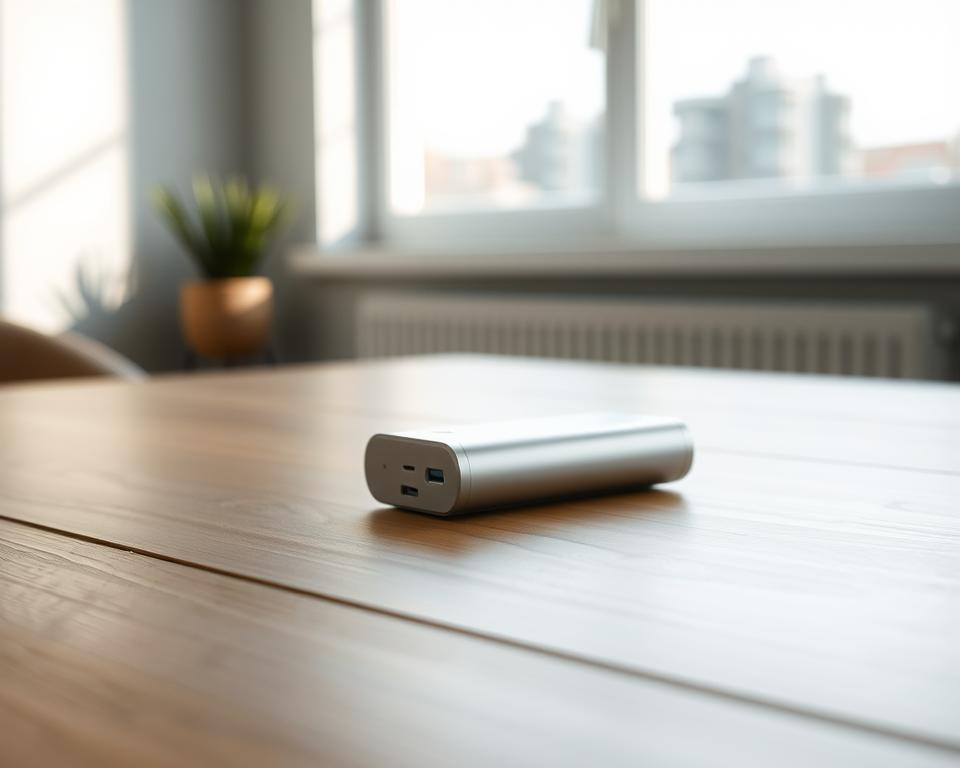
Record how often you reached for a power bank. Check myCharge recharge times (under 5 hours) and BigBlue solar outputs (~4 hours per phone charge) against your logged use.
Audio comfort over long sessions
Rate comfort after long listening: pressure points, heat build-up, and isolation. Did ANC reduce fatigue or force you to increase volume?
Decide: keep the set that felt good for hours, upgrade the case for better storage, or replace pads that wore out.
Coverage and data spend by country
Review hotspot logs and carrier bills for actual data use and network quality. Compare Solis Lite run time (~16 hours) against your service gaps.
- Note which adapters and cables were used most.
- Mark devices that overheated or required fixes.
- Archive a short report in your travel notes app for future planning.
Use this review to right-size your kit, streamline the case, and save weight and money next trip. No guarantees—just clearer choices based on your experience.
Conclusion
A small set of tested items will repay you in fewer delays and less stress. Use measured metrics and the real examples above to pick a travel kit that fits your route and your needs. This approach improves your experience and reduces guesswork.
Simple habits extend gear life: charge overnight, label devices and cases, and set device profiles before you leave home. Keep a spare cable and a phone power plan that matches your trip.
Check official sources—airlines, embassies, and local rules—before departure. Test gear at home, try a short outing, then scale up. Track post-trip notes so each journey makes the next one lighter, safer, and more confident.
Travel thoughtfully, protect your privacy on public networks, and enjoy quieter flights, lighter bags, and the peace of mind that comes with a kit that fits the way you move. Safe travels.