Anúncios
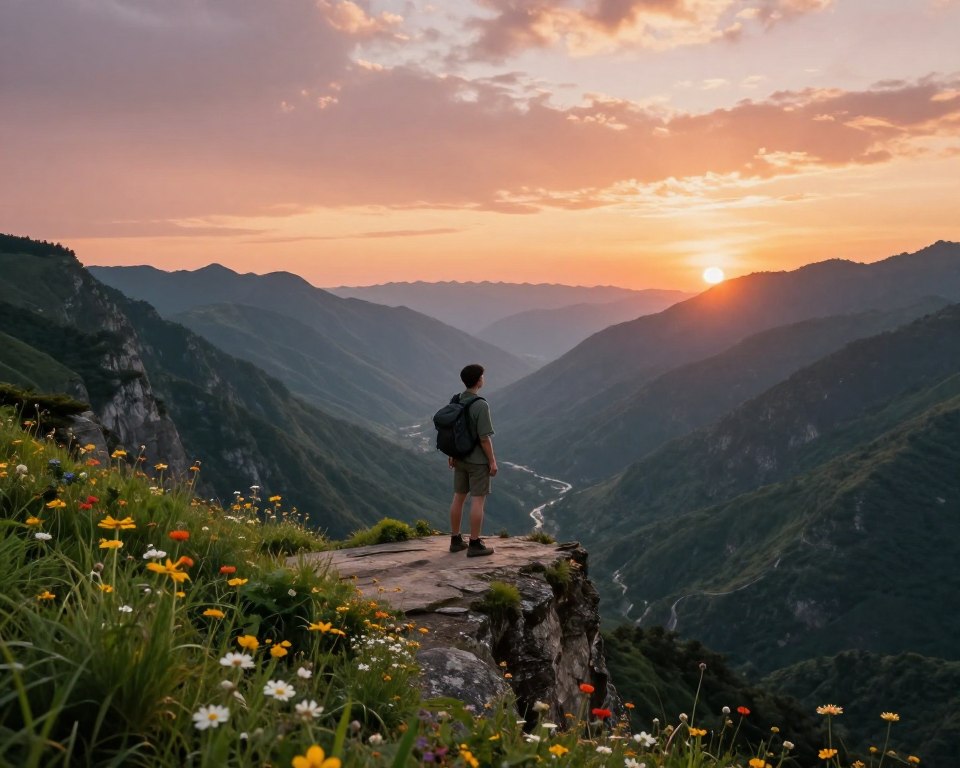
You came here for more than a packed list. From Córdoba’s Mezquita-Catedral to snorkeling with sea turtles in the Galápagos, the truth was clear: one single scene could eclipse any long itinerary. Those quiet, first-glimpse instants change how you see the world and shape your life.
This guide focuses on sparking those intentional memories. Instead of chasing every top site, you’ll learn to design one powerful experience at a time. A glacier picnic in Norway or the first shimmer of Mont Saint-Michel can stay in your heart far longer than a checked box.
You’ll find practical steps to pick and protect your best moments, plus archetypes of scenes to spot—silent views, people connections, and sudden reveals. Expect examples from real places and clear tips so your photos capture the story without stealing the feeling.
What you really want from a trip: feelings, not finished lists
What you really collect on a trip is the way a day felt, not a list of boxes. After months hopping between Morocco, Spain, France, and Portugal, many people can’t name one top sight. They can name the mood that stuck.
On any given day one small scene, one conversation, or one quiet place can define your time. That single moment becomes the mental shortcut your brain uses to store an entire set of travel experiences.
Anúncios
Plan around a priority feeling—calm, awe, or connection—then build breathing room into mornings and nights. Protecting time for one person, one place, or one scene helps you savor life instead of sprinting through a city.
- You likely remember how a trip made you feel more than which boxes you checked.
- Let one moment define a day; that pause often outshines a dozen rushed stops.
- Reframe success from “How many?” to “What felt meaningful?” and the pressure drops.
Why emotion cements your travel memories
When you feel something deeply, a single scene can become the story you tell for years.
From awe to empathy: high-emotion scenes change how you register details. At Supphellebreen glacier, awe pins the color and hush you ever seen near ice. In a small gallery or at Champey Academy of Arts, empathy makes faces and gestures vivid.
Anúncios
From awe to empathy: the feelings that make a moment stick
Your brain tags intense feeling and saves the whole moment more clearly than routine facts. When people share art or a story, your heart records textures, tone, and small gestures instead of dates and addresses.
Past experiences, lasting impact: why one night can shape years
One night under a skyline or a concert that moved you can echo for years and change how you see the world. Time felt unhurried in those memories; you had room to breathe and connect.
| Emotion | Example | Lasting effect |
|---|---|---|
| Awe | Supphellebreen glacier | Fixes sensory detail and scale |
| Empathy | Champey Academy performance | Deepens recall of people and story |
| Solemn reflection | Auschwitz-Birkenau | Shapes values and life perspective |
Plan fewer, richer peaks—choose one powerful experience each day so your travel leaves lessons felt in the body, not lost in a long to-do list.
Moment archetypes you can seek on your next trip
Certain scene types—quiet vistas, people-led exchanges, and arrival reveals—tend to stick with you. Each has a clear shape you can plan to find on a day out.
The silent “wow” view
Stand still where the world presses a pause. Look for a glacier outlook like Supphellebreen, a cathedral interior such as Córdoba’s Mezquita-Catedral, or a gallery with Bernini at Borghese.
Find a single spot where light changes on stone, ice, or water. Let the beauty arrive before you speak.
The people connection
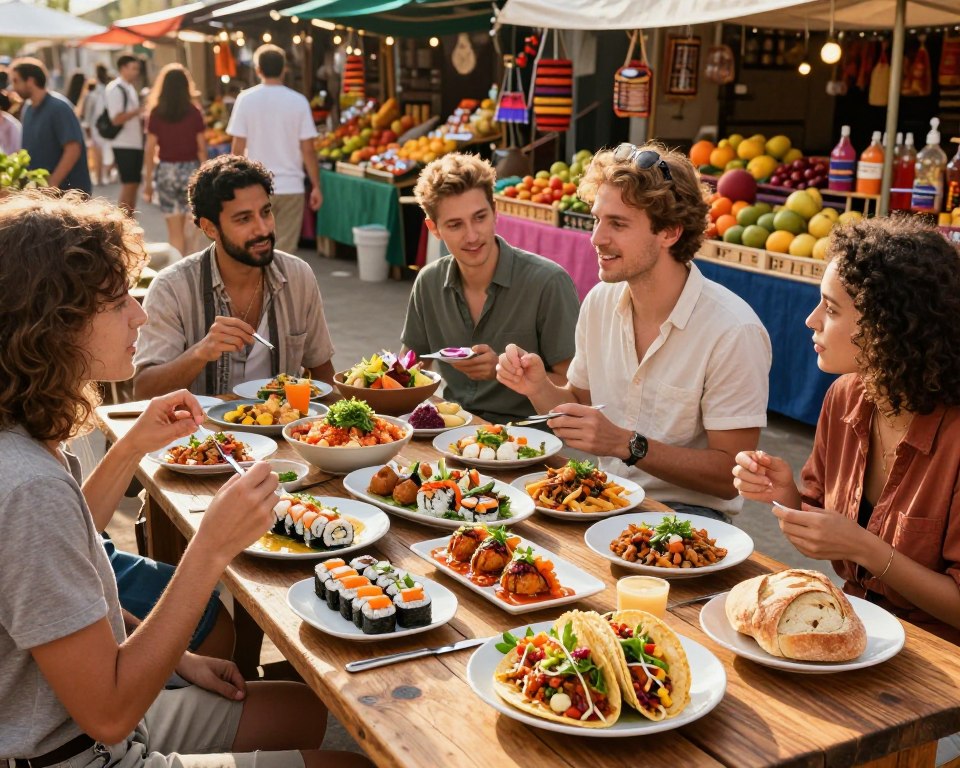
People make a visit feel lived-in. Seek student performances at Champey Academy or quiet exchanges with Kuna families in San Blas. Those interactions turn a visit into a real connection.
The first glimpse
Pause on arrival for the initial reveal. Watch Mont Saint-Michel from the bay, approach Venice by train, or see Carcassonne from the Aude River bridge.
| Archetype | Example | How to find it |
|---|---|---|
| Silent view | Supphellebreen, Borghese, Córdoba | Pick a high spot; arrive early or at night for contrast |
| People connection | Champey Academy, Kuna families | Attend local events; ask to learn a story |
| First glimpse | Mont Saint-Michel, Venice, Carcassonne | Plan the arrival route; pause before you step in |
- Choose one spot each day that matches what moves you.
- If temples are on your way, visit during quiet hours to hear the space.
Real-world examples that outshine any checklist
These lived examples show how one clear experience can redefine an entire trip. Below are short, concrete scenes you can picture—and plan for—so a single day can become a lasting part of your story.
Nature immersion
Galápagos snorkeling put you in the water with sea turtles, sea lions, and sharks. It felt surreal and changed how you recall ocean life.
In Antarctica’s Pleneau Bay, humpbacks surfaced beside zodiacs as an iceberg calved. The thin air and raw scale made it a scene few have ever seen.
Living history
Auschwitz-Birkenau’s silence reshaped your view of the world. Petra’s 800-step climb to the Monastery turned effort into awe.
Rome’s Borghese Gallery stopped you for Bernini’s David mid-sling—one city afternoon that rewrote expectations about art and presence.
Sense-soaked places and roads
Iceland’s Blue Lagoon warmed your skin over black lava while steam rose into the sun. Positano at night showed cliffside beauty without crowds.
- Pacific Coast Highway linked Big Sur, Pebble Beach, and Santa Barbara into a long, scenic drive.
- Slovenia’s Ljubljana-to-Bohinj backroads forced a pull-over for a view you’ll never forget.
Other spots—from Córdoba’s Mezquita-Catedral to a Monarch butterfly cloud or a glacier picnic at Supphellebreen—remind you that a single place can become your top memory. Plan fewer stops and seek the scenes that make your photos, posts, and stories feel true.
How to design your day for memorable travel moments
Designing a single, focused feel for your day makes it easier to leave with a story you want to tell. Start by choosing one peak aim—calm, awe, or connection—and let that guide how you use your hours.
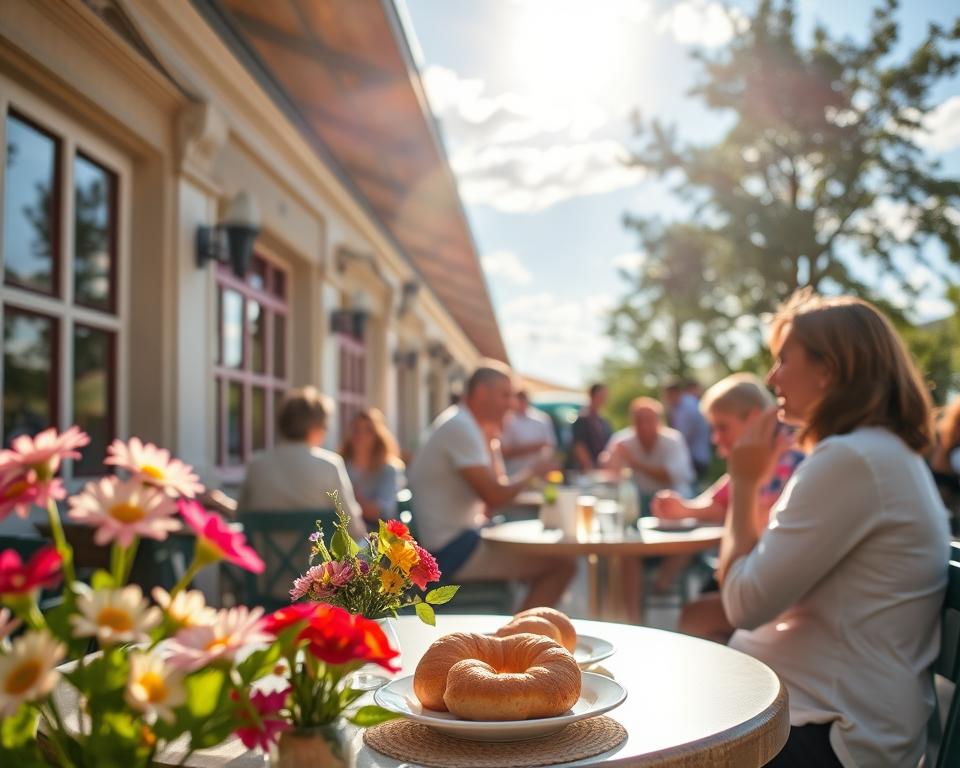
Trade quantity for quality: plan one “big feeling” per day
Pick one experience for the day and give it the best time. Treat that top aim like an appointment you won’t cancel.
Example: an hour alone at Supphellebreen or golden-hour views on the Amalfi Coast. Those scenes happen when you slow down.
Build in breathing space: the power of a long pause at a special spot
Block generous buffers so you can stay when a place clicks. A long pause turns a quick stop into a signature memory.
Stack nearby sites so you spend less time rushing and more time with what matters. Rest fuels presence; a short nap or coffee helps you notice details in the air.
Chase the best light: sunrise, golden hour, and after-dark sparkle
Let the sun be your compass more than the clock. Sunrise brings calm, golden hour adds warmth, and after-dark reveals city sparkle.
If water scenes are on your plan, time them for reflections and softer light. Bring layers for changing air and breezes at viewpoints so you can linger longer.
- Choose one “big feeling” and give it priority in your schedule for the day.
- Build buffers so a place that works can keep your attention without cutting into the rest of your plan.
- Use light to shape when you go; the sun will often decide the best way to see a spot.
Memorable travel moments you can create anywhere
You can craft a standout scene close to home by treating one nearby place with the same care you give a bucket-list stop. Pick a bench, a hilltop, or a corner cafe and plan to linger.
Even on a rainy night, a small ritual can change how you remember a day. A Loch Ness-style evening once turned into card games, toasts, and loud laughter in a hotel bar. That shared night became the story people still tell.
- Make a mini route in your town and pause at a single overlook.
- Plan a simple night ritual: stargazing, a skyline lookout, or a quiet bridge stop.
- Invite people into the scene—ask a barista about the neighborhood; listen.
- Build in short rest: five minutes of breathing and watching changes what you notice.
- Choose sensory anchors like cool air on a hill, bakery scent at dawn, or a summer hum.
| Where | Sensory Anchor | Simple Ritual |
|---|---|---|
| Home | Morning bakery smell | One photo and a question to answer |
| Nearby town | Cool air on a hill | Bench pause and five minutes of rest |
| City night | Skyline lights and warm street air | Stargaze or skyline lookout for ten minutes |
Repeat the best small experiences weekly so you learn what sticks. Over time you’ll spot patterns that make distant trips richer and easier to plan.
Story-first photos: capture the moment, not just the place
Good pictures do more than record a view; they bring you back to the sound, the air, and the small gestures that made the day feel real. Aim to tell a short story with each frame so your images read like scenes from a day you lived.
Frame the feeling: people, motion, and small details
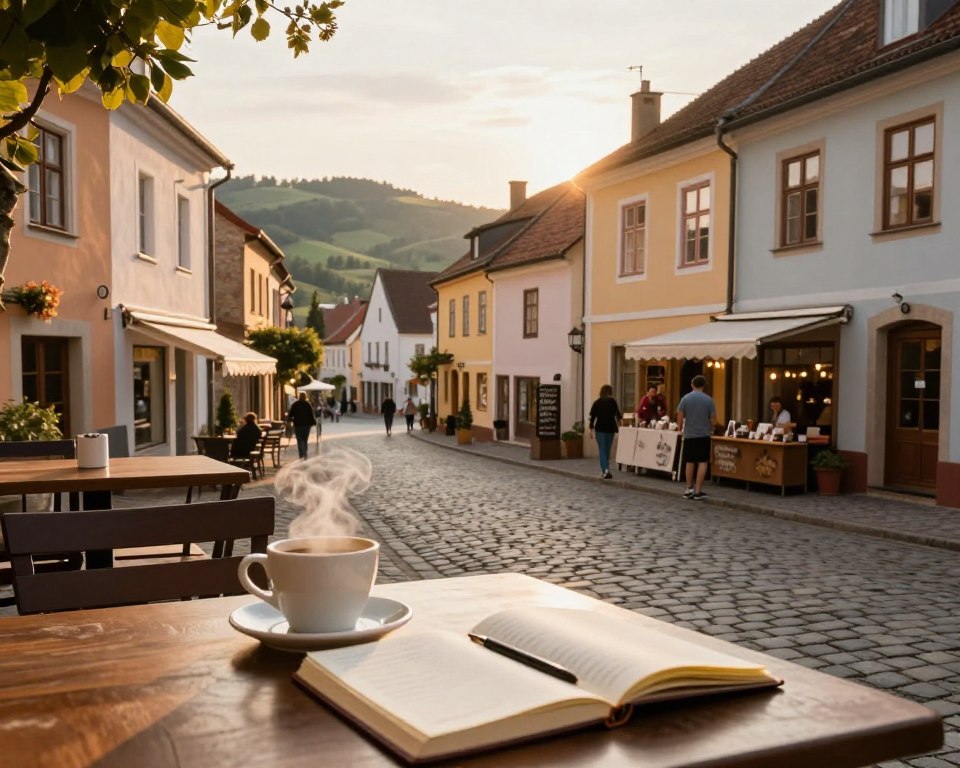
Shoot for feeling. Include a person’s hands, a breeze-blown scarf, or steam curling off a cup so your photos read like scenes, not postcards.
Frame motion. Waves lapping, traffic streaks, or a turning page add movement that puts you back in the scene later.
Capture small things. Ticket stubs, street signs, and textures underfoot become triggers for memory. Travelers later cherished Kuna family portraits that were later printed and delivered back. A missed underwater camera in the Galápagos taught one group how valuable close details can be. Museum visits — like seeing Bernini at Borghese — were about how you felt with the art, not just the sculpture.
Prompt yourself: five shot ideas you’ll never regret taking
- First glimpse view — the initial approach that stopped you.
- The “pause” portrait — you in a quiet, candid second.
- A generous stranger — an exchange that shows connection.
- Before-and-after light — how the scene changed with sun or streetlamps.
- The surprising detail — the small thing that made you stop.
- Keep a short shot list on your phone; one reminder beats twenty random snaps.
- Write a two-line caption the same day in a notes app or a post draft to lock in what the scene felt like.
- When you photograph art, include your face or hands once; it shows the travel experience you had with the piece.
Prioritize presence over volume: one meaningful photo can recall an entire hour better than fifty forgettable ones. Save the rest for a quick album post later.
Respectful, responsible ways to connect with people and places
Simple habits—asking, listening, and giving back—change the way you see the world and who you meet. Use those habits to make each visit a thoughtful exchange, not just a quick photo op.
Ask before you photograph any person. Consent is the baseline of respect. In San Blas a traveler asked to photograph a Kuna family, then later arranged prints to be delivered back. That choice made the exchange part of the story for years.
Practical steps you can use
- When someone invites a photo, find a way to give back—send prints, buy a small craft, or tip fairly.
- At solemn sites like Auschwitz-Birkenau, match your behavior to the place; sometimes your camera stays in your bag.
- Visit temples like Esna or Petra off-peak and follow local customs; dress modestly and move with humility.
- Learn basic greetings; a few local phrases open doors and show you care.
- If you hire a guide, ask about their community—those conversations often become a cherished part of the trip.
Think of connection as two-way: listen more than you speak, and make small reciprocity part of your routine each year. For more tips, consult a responsible tourist guide.
From FOMO to focus: swap your checklist for these simple swaps
Swap the pressure of a long checklist for small, intentional choices that let one scene define your day.
Itineraries stuffed with logistics often leave you breathless and empty. Rapid city hops and nonstop lists rarely matched the impact of a single standout scene—like the PCH drive, Petra’s Monastery hike, or Antarctic zodiacs among whales.
Choose depth over breadth: make one priority per day the real plan, and let other items support that aim.
- Replace a packed list with one priority each day; depth beats breadth on most trips.
- Trade “five museums” for one gallery where you’ll linger and remember the art and how it felt.
- Swap a marathon of neighborhoods for a single evening in one district and a slow night walk.
- Switch “see everything” to “feel one top moment,” and design the rest of your day to support it.
- Trade random food stops for an intentional meal with a view or story—quality changes how the world tastes.
- Swap transit sprints for a scenic route once; the journey becomes an adventure when you build in time to notice it.
- Replace endless scrolling with a short list of things that match your values—connection, learning, or calm.
- Bring one practice home: a daily pause, a journaling prompt, or a sunset walk that keeps the trip lessons in your life.
Conclusion
When you scan photos from months or years ago, a few clear scenes usually pull you right back.
Those bright sparks are what you will never forget. They turn a long trip into a short, vivid story that stays with you.
Let this guide be your way to design one top experience each day. Give that moment room, chase the best light, and bring the same focus to your city or town at home.
Close the loop: sort a few photos and jot two lines after a visit so the scene lasts for months and years. For more on how endings shape memory, read the psychology behind memorable trips.
Do this and you’ll keep stacking top, never forget scenes that change how you see the world.