Anúncios
You’re about to build a travel plan that stays calm when things change. This short guide shows how smart planning up front keeps your stress low and your options open during a trip.
Use trusted tools like Hopper to spot cheaper dates, Rome2Rio to map routes, and book flights direct with airlines to simplify changes. Follow a simple pacing rule — three nights per stop — so you avoid rushed days and long transit stretches.
Protect your budget by tracking costs in a plain spreadsheet and watching fee creep on baggage. Consider home swaps through HomeExchange or a hub‑and‑spoke base that is walkable and safe, with arrivals in daylight.
Keep only critical reservations locked — big tours and top restaurants — and leave flex days for weather or crowds. By the end you’ll have a reusable checklist-style plan that saves time, money, and worry on every vacation.
Understand your goal: a stress-free, flexible trip plan that still hits your must-dos
Start by naming what success looks like for this travel: calm mornings, a few big moments, and room to wander.
Anúncios
Define success. Pick 3–5 non‑negotiables that anchor the trip. These are the experiences that justify the journey and set the tone for every choice.
Next, decide your stress triggers—tight connections, huge crowds, or late nights—and plan simple buffers. Make sure you schedule travel time so days don’t stack into rushes.
- Embrace JOMO: choose quieter “destination dupes” when the main draw is packed.
- Write a short list of what matters most—food, museums, nature, live events—and let that shape bookings.
Take it one step at a time: lock documents and essential holds early, then add optional activities later.
Anúncios
Keep everything in one place—a single digital folder or app—so confirmations and addresses are easy to find when plans change.
Start with dates that flex: pick windows, not single days
Choose a travel window, not a locked day. Pick any 7–9 day span you can live with and watch fares across that range. That small change gives you a much better chance to save money and find sensible flight times.
Use tools like Hopper to read the calendar: red means pricey, yellow is medium, and green signals better fares. Begin checking about 3–4 months before your target trip so you can see trends and snap up a green day when it appears.
“Hopper flags green days for cheaper travel and red for high-cost ones.”
Keep these practical moves in mind:
- Search for a window (for example, any week in late April) rather than one fixed date.
- Try mid‑week travel—Tuesday‑to‑Tuesday weeks often avoid weekend premiums.
- Build two alternate ranges (primary and backup) to pivot if prices jump.
Remember shoulder season still helps, but demand has shifted since before the pandemic. Compare several weeks and cross‑check local events, school breaks, or holidays so your chosen week really saves money.
Build a realistic travel budget that leaves room to pivot
Start your money planning by splitting must-pay items from what you can trim later. That simple step makes decisions easier when prices change.
Fixed costs vs. flexible funds
Fixed costs are your non-negotiables: base fares, hotel nights, car hire, and mandatory insurance. Lock these early when possible.
Flexible funds cover meals, attractions, and rideshares. These are where you cut back if fees rise.
Pad for inflation, fees, and taxes
“Add buffer now so last-minute fees don’t derail your plans.”
- Add a 10–20% contingency for inflation, baggage fees, and city surcharges.
- Include hidden costs: ATM fees, tips, resort fees, parking, and data plans.
- Decide early on baggage choices—personal‑item fares are rising.
Track expected vs. actual
Set up a simple spreadsheet with columns for category, estimate, booked, final, and notes. Revisit it weekly as you book.
In case exchange rates move, buy small amounts of foreign currency months ahead to smooth swings. This gives you control in most cases and keeps joy in the trip with a small daily flex fund.
Choose a destination that matches season, time, and money
Pick destinations that fit your season, budget, and how much time you have to explore. This saves you from surprises like closed sights, packed festivals, or expensive last-minute rooms.
Compare a shortlist: timing, weather, costs, events, and safety advisories
Build a shortlist of 3–5 contenders. For each, check seasonality, typical weather, and how many days you need to see the highlights.
- Advisories: Check your country’s travel advisories and how alerts might affect insurance or entry rules.
- Events: Scan local calendars for festivals or school breaks that could raise prices or close things you want to do.
- Costs: Compare lodging and meal prices across cities to match your budget and trip length.
- Safety: Look up neighborhood notes and plan daylight hotel arrivals when arriving alone or late.
- Local insight: See if International Greeters operate in the city you choose for a free, friendly orientation.
“Consider a destination dupe when the popular spot is crowded—same vibe, fewer lines.”
| Destination | Season | Avg Cost / day | Best for |
|---|---|---|---|
| Lisbon, Portugal | Spring–Fall | $120 | History, food, walkability |
| Valparaíso, Chile (dupe) | Spring–Fall | $90 | Coastal art scene, fewer tourists |
| Budapest, Hungary | Spring, Fall | $100 | Thermal baths, budget-friendly |
Final case: narrow to one country or region that balances your time window, budget, and pace. That keeps your travel plan simple and resilient to last-minute changes.
Safety, documents, and insurance that protect your plan
Before you book, lock down the documents and protections that keep a trip whole when plans shift. This simple prep reduces surprises and speeds recovery if something goes wrong.
Passports, visas, vaccinations, and meds: what to confirm early
Make sure your passport has at least six months’ validity beyond your return date and start any visa applications early.
Check vaccination guidance with your healthcare provider and pack prescription meds in original bottles. Some drugs are restricted in the destination country, so verify rules before travel.
Travel insurance fine print: cancellations, medical, and advisories
Buy travel insurance that covers cancellations, medical emergencies, and interruptions. Read advisory clauses closely—some policies exclude coverage if you travel to a high‑risk area.
- Photograph and securely store copies of passport, visas, and your policy; share emergency contacts with someone at home.
- Add your insurer’s 24/7 assistance number to your phone and carry a printed card for easy access.
- Create a mini medical kit with proof of vaccination and any prescriptions for quick claims or care.
- As a final step, re‑check advisories and clinic lead times so there’s no last‑minute scramble.
“Verify whether high‑risk advisories could void parts of your policy and adjust plans or coverage before you book.”
Route and timing tools that keep your itinerary adaptable
Plan travel legs with tools that show actual durations so you don’t squeeze sightseeing into long transit days.
Rome2Rio helps you sketch realistic legs by showing time, cost, and mode options for each connection. Use it to test trains, buses, and drives before you commit.
Map pacing and one simple rule
Three nights per stop gives you two full days on the ground to explore without rushing. That pacing reduces frantic packing and late-night transfers.
- Sketch two ways to link major places so you have a fallback if one route sells out.
- Build travel blocks into your plan with realistic buffers instead of packing activities into transit days.
- Identify hub‑and‑spoke bases where one central stay unlocks nearby towns without constant moving.
- Check first and last departures for key routes to avoid getting stranded after a late dinner or tour.
“Mark heavy travel days and avoid booking fixed‑time tickets those days to keep stress low.”
| Tool / Tip | What it shows | Why it matters |
|---|---|---|
| Rome2Rio | Time, cost, modes | Reveals real trip hours so you can plan sightseeing around transit |
| Three‑nights rule | Pacing guideline | Yields two full days to explore each base |
| Hub‑and‑spoke | Base + day trips | Reduces packing and keeps travel days light |
Book flights the flexible way to save money and time
Choosing the right flight strategy early can protect your budget and your time on the road. Track fares about 3–4 months before your week of travel and pounce when times and prices line up.
When to book and why book direct
Prefer booking direct with the airline so you can change flights or get support fast if plans shift. Add the airline’s app and enable alerts for gate changes, delays, or rebooking options.
Bags and fee creep: personal‑item‑only fares
Make sure you know baggage rules before checkout. Many economy fares now include only a personal item, so plan packing and decide if a slightly higher fare with better change terms is worth the extra money as a form of insurance against stress.
- Compare mid‑week departures and returns to often save money and keep decent seat choices.
- Arrive at your airport destination during daylight when possible for easier navigation and safer transfers.
- Step through the checkout carefully to avoid add‑ons you don’t need and verify the final price before paying.
“Track fares, book direct, and keep alerts on—those small steps cut risk and save time.”
For an overview of new tools to find cheap flights and plan dates, see this short guide.
New tools to find cheap flight
Hotels, home swaps, and hub‑and‑spoke stays
Choose a home base that saves you transit time and gives you pleasant evenings after long days of travel. A well‑placed hotel or apartment turns late afternoons into relaxed wandering instead of frantic commutes.

Pick walkable bases and daylight arrivals for safety
A central location matters. Aim to arrive during daylight and confirm the exact spot on a map and Street View before you book.
Read recent reviews on Booking.com for noise, safety, and Wi‑Fi reliability so you know what to expect at night.
Consider home exchanges or boutique hotels to stretch your budget
Compare options. HomeExchange can remove accommodation costs for longer stays and is great when you plan a month or more.
Boutique hotels often offer off‑season rates that beat nightly chains and give you a memorable place to stay.
- Choose a central, walkable hotel or apartment so you spend time enjoying the place, not commuting across the city.
- Aim to arrive during daylight and confirm the exact location on a map and Street View to avoid surprises.
- Compare boutique hotels with home exchange options; HomeExchange can zero out accommodation and stretch your money.
- For hub‑and‑spoke, pick a destination base with easy rail or bus links to day‑trip targets and night food spots you’ll enjoy.
- Verify cancellation terms so you can pivot if weather or events prompt a change in plans.
Pro tip: If you plan a longer stay, ask about weekly rates or off‑season discounts and save exact entrance instructions so you aren’t stuck outside after a late arrival.
For more ways to reduce lodging costs, see a short guide to find cheap accommodation.
Local transport and car rental choices that keep options open
Local transport choices shape how smoothly your days run and how much time you lose to getting around.
Use public transit for daytime travel to save money and move quickly between sights. Learn the basic lines and ticket types so you avoid wasted trips. At night, budget for taxis or rideshare if safety or convenience is a concern.
If you rent a car, check insurance options carefully before you sign. Confirm what the rental covers and whether your card or policy adds protection. Know local rules — some cities have odd turns or one‑way systems that slow you down.
Car hire: roads, tolls, fueling, and rules
Check whether your route includes sealed or unsealed roads and plan fuel stops on longer country drives. Set reminders so you don’t hunt for a pump at the last minute.
Verify license requirements, age surcharges, and toll systems in advance. Services like Kyte can deliver cars in select cities, which saves time at the airport pickup.
Plan airport transfers both ways
In case of complex airports or late arrivals, pre‑book transfers both ways. That simple step reduces stress at the start and finish of your trip and often costs less than last‑minute rides.
“A short prebooked transfer can save you time and worry after a long flight.”
| Choice | Best use | Key tip |
|---|---|---|
| City transit | Day trips, low cost | Buy day passes and learn routes |
| Rideshare / taxi | Night travel, safety | Budget extra for nights and peak time |
| Rental car | Country drives, remote spots | Check insurance, road types, and fuel stops |
- Use Street View to preview tricky intersections and parking before you arrive.
- Ask your hotel about safe drop‑off points and secure parking at night.
- Compare a guided day tour vs. renting a car when roads are complex—you may save time and stress.
Lock key activities, leave buffer: tours, free walking tours, restaurants
Lock the few things you’ll regret missing, then build breathing room around them. Reserve only top‑demand activities, special restaurants, and timed tickets that would derail your trip if you miss them.
Reserve high‑demand items; keep a flex day for weather or closures
Book headline tours and shows well in advance. Note cancellation windows so you can change without fees.
Build at least one flex day per week. Use that day to swap plans when weather, energy, or closures force a change.
Use destination dupes and JOMO to avoid crowds and stress
Free walking tours and local greeter programs add connection and often fill up—register early to secure a spot.
If tickets are gone for a headliner, pick a destination dupe: another museum, viewpoint, or neighborhood with the same vibe but fewer people.
- Group activities by neighborhood to save time and avoid crossing the city multiple times a day.
- Schedule major things on mid‑week mornings to dodge crowds; push overflow to quieter afternoons.
- Keep one short list of nearby dinner options so a long day ends with a simple, close meal.
“Reserve the must‑do holds early and leave room to discover local gems as you go.”
Packing light for changeable weather and baggage rules
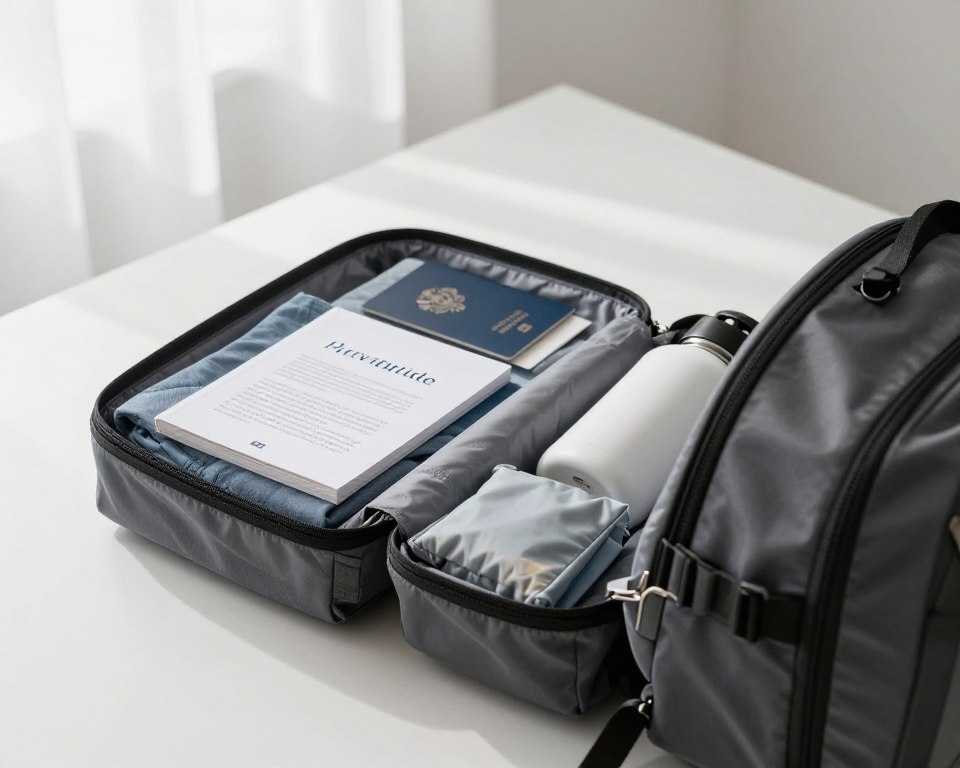
A compact bag turns long transfer days into simple steps instead of stressful sprints. Commit to carry‑on or personal‑item‑only packing to skip fees and move fast through stations and airports.
Build a small, repeatable list you use every trip: 10–12 mix‑and‑match pieces, a compact jacket, and one dress option. Roll clothes or use packing cubes so outfits stay together and you dress quickly on busy mornings.
Track weather in your phone starting a week out to refine layers and footwear choices just in time. That little check saves you extra bulk and the wrong shoes for rainy or windy days.
Tech and toiletries: keep phone, chargers, power bank, universal adapter, and offline maps in one organizer. Use solid toiletries or TSA‑size decants, and store meds in original containers with a copy of prescriptions.
“Many travelers regret over‑packing when switching transport modes often—pack light and move with ease.”
| What to pack | Why it matters | Quick tip |
|---|---|---|
| 10–12 clothing pieces | Mix-and-match saves space | Neutral colors + one accent |
| Tech kit | Avoid searching for chargers | One organizer for all cables |
| One-day spare kit | Handles lost baggage cases | Change of clothes + mini toiletries |
| Comfort shoes | Keeps you on your feet all day | Bring one dress option only |
As an example, pack layers you can add or remove, and keep essentials handy so you save time at checkpoints and enjoy more of your trip.
Money matters: cards, cash, exchange rates, and safety
Money on the road is one simple area where small moves prevent big headaches. A few steps now cut the chance of declined cards, bad rates, or missing cash when you need it most.
Practical steps before you leave
Alert your bank and set travel notices so your card doesn’t get blocked. Make sure your phone has the bank app and backup contact numbers.
Carry backups and emergency cash
Bring two credit cards, including a Visa, and store one in a separate place. Tuck a small amount of USD away as a universal backup for any country you visit.
Exchange rates, fees, and online safety
Track exchange rates for several months and convert in chunks when the rate looks favorable to smooth your budget over a week of spending or longer.
Check whether cards charge foreign transaction fees and consider a fee‑free card if you travel often. Use a VPN on public Wi‑Fi and enable two‑factor authentication for online banking.
ATM use, tipping, and reconciliation
Withdraw from bank ATMs for better rates. Keep small bills handy for tips, kiosks, and transit surcharges—city fees add up fast.
- Keep a written note of typical tipping for the country you visit.
- Reconcile spending weekly against your plan so you can trim dining or shopping before you overshoot.
- In case of lost cards, call your bank immediately and use your backup card and the emergency USD stash.
“Small pre-trip money steps save time and keep your trip calm.”
Smart use of city passes and deal sites without losing flexibility
Start by mapping the attractions you actually want to see and the days you’d visit each one. That short step prevents buying a pass that doesn’t match your rhythm.
Make a clear list before you buy
Write a simple list of the museums, tours, and landmarks you plan to visit and note which day each will fit into your plan.
Compare sums: total à la carte ticket costs versus the pass price and add the value of skip‑the‑line access.
Watch conditions and value
- Check blackout dates, weekday rules, and whether transit is included.
- Factor in time saved by skipping lines—sometimes that is worth more than the dollar value.
- Avoid cramming too much into a pass day; rushing reduces enjoyment.
- Review refund and cancellation terms so weather or closures won’t cost you.
| Plan type | Included highlights | 3‑day example cost | Notes |
|---|---|---|---|
| À la carte | Museum A, Monument B, River tour | $78 | Only pay for what you use; good for short stays |
| City pass | Museum A, Monument B, River tour, transit | $95 | Includes skip‑the‑line; worth it if you use transit and visit many sites |
| Deal site bundle | Guided tour + attraction combo | $85 | May save money but check date restrictions |
“List what you’ll visit and its day before you buy a pass—then compare price and real time savings.”
Weather, public holidays, school breaks, and events: plan around them
A single storm or parade can flip a great day into a slog, so scan forecasts and event lists first. Do this early and often so you can move activities without stress.
Swap days in your plan to handle closures and crowds
Check seasonal norms and forecast trends, then map indoor museums and cafes to colder or rainy periods. Winter often slows transport and closes sights, so add extra cushion on key travel legs.
Avoid major attractions on weekend days and aim for mid‑week mornings to cut lines. Look up public holidays and school breaks for your destination city to dodge closures and spikes in crowds.
- Watch local event calendars for marathons, parades, and festivals that block roads or change transit times.
- Track holiday surcharges at restaurants; plan a picnic or simple meal to save money and time.
- Keep swap‑ready days so you can slide plans when weather flips or venues close.
| Risk | How it affects your day | Quick fix |
|---|---|---|
| Winter storms | Transit delays, closures | Add extra travel time; move indoor activities |
| Public holidays | Reduced hours, surcharges | Check calendars; eat simple or picnic |
| Major events | Road closures, price spikes | Reroute or swap to a quieter neighborhood |
“Swap days early so one bad weather day doesn’t waste the whole trip.”
Responsible research: trusted sources over AI‑driven scams
When planning trips in today’s world, trusted research beats flashy AI‑suggested bargains. Reports show travel scams surged between 500% and 900% in the last 18 months, so you need a simple system you trust.
Pin, bookmark, and file your research so you can find it fast. Use a destination Pinterest board, a browser bookmarks folder with subfolders, and a desktop folder for PDFs.
- Use trusted sites: official tourism boards, well‑known booking platforms, and established review sites. Be skeptical of deals that look too good.
- Make sure you verify addresses, opening hours, and ticket links on official pages before you buy.
- Keep a single note with a master list of booking references, addresses, and contact numbers you can access offline.
- Avoid wire transfers; use credit cards for chargeback protection and cross‑check guides with multiple recent reviews.
- Set a reminder to re‑verify meeting points 24 hours before activities and enable cloud sync so research is on your phone.
“Organize verified sources and reconfirm details—small habits protect your plans and your money.”
The flexible itinerary checklist
Build a one-page plan that keeps your travel days predictable and your choices simple. This short guide gives you a compact checklist to carry on your phone and print if needed.
Dates, money, documents, and cover
Dates window: pick a primary week and a backup week. Use Hopper to spot green days and avoid major local holidays when possible.
Budget buffer: split fixed vs. flexible costs and add a 10–20% contingency. Track estimates vs. actuals in a spreadsheet.
Documents & insurance: passport 6+ months, required visas, vaccines, prescriptions, and travel insurance checked against advisories.
Transport, stays, and must‑do holds
Flights: book direct, install the airline app, confirm baggage rules, and aim for daylight arrival.
Hotel/base: pick a walkable spot or hub‑and‑spoke base and note cancellation terms.
Transport plan: test routes on Rome2Rio, prebook airport transfers both ways, and choose transit by day with rideshare at night.
Must‑do holds: reserve high‑demand tours, free walking tours, and top restaurants. Keep one flex day per week to swap.
Packing, money, weather, and safety
Packing: carry‑on strategy, layers for the forecast, meds in original containers, and a tech kit with eSIM and VPN.
Money setup: set bank alerts, carry two cards (one Visa) and small USD, and watch rates before converting large sums.
Weather & events: check forecasts, public holidays, and event closures before each day and swap activities when needed.
Emergency and final step
Safety notes: share emergency contacts, save insurer hotline, and confirm neighborhood arrival plans in daylight.
“Keep one printed and one offline phone copy of this list so you can act fast if plans change.”
Final step: save or print this checklist and keep an offline copy on your phone for quick access.
Conclusion
You now have a repeatable way to build a flexible travel plan that covers what matters and adapts when the world throws curveballs. This short guide shows practical ways to save time and reduce stress on every trip.
Use smart timing, clear buffers, and trusted tools—Hopper, Rome2Rio, airline apps, and a simple budget sheet—to keep your days calm. Embrace JOMO and favor the three‑nights‑per‑stop pace to get real feel‑for‑the‑place time.
Keep one offline checklist on your phone, tweak a few items for each destination, and refresh it before you leave. You’ve done a lot of prep—now go enjoy the world with confidence and calm.