Anúncios
You know that odd ache after a vacation when you come home and need another break? Many people burn through packed itineraries and return wiped out. This piece shows a calmer alternative you can keep doing: slow travel.
Slow travel means staying longer in one place so you notice small details, build familiarity, and swap checklists for presence. Instead of chasing every sight, you repeat cafés, stroll neighborhoods, and meet the local barista who learns your order.
You’ll learn what real slow travel moments look like, why they stick with you, and how to plan them without over-planning. Expect examples you’ll recognize—quiet streets at night, a surprising sense that a destination can feel like home, and tiny rituals that change your trip.
Practical takeaways are aimed at US travelers: short trips, family plans, and remote work adjustments so this way of journeying feels doable no matter your life stage.
Anúncios
Why Slow Travel Feels So Different From a Packed Itinerary
Choosing to stay put in one place lets you notice small rhythms a hurried tour never reveals. When you base yourself in a single neighborhood, your hours shift from checklists to real life. That shift changes how the destination feels.
Depth over breadth: choosing one place instead of racing through cities
Spending a week or a month in one place gives you time to learn routines and return to favorite spots. You’ll see how a market seller greets repeat customers and how a café changes over mornings.
How rushing turns a trip into stress (and why you come home exhausted)
Constant transit, early alarms, and tight itineraries turn logistics into the main event. Long lines and decision fatigue add up, so your trip becomes draining instead of restorative.
Anúncios
What it means to experience a city like a local
Experiencing a city like a local means repeat cafés, neighborhood walks, and flexible days. You avoid tourist traps and actually feel the place. That way, you keep discovery without the frantic pace.
Slow Travel Moments That Stay With You Long After You’re Home
The parts of a trip you replay most are rarely sights; they are small rhythms and unscripted pauses that shape a place in your mind.
Lingering mornings
You wake without an alarm, stroll to a corner café, and let unhurried time set the tone for the day.
Repeating that routine — the same stool, the same barista — turns a short stay into a familiar space you return to in memory.
Local markets and conversation
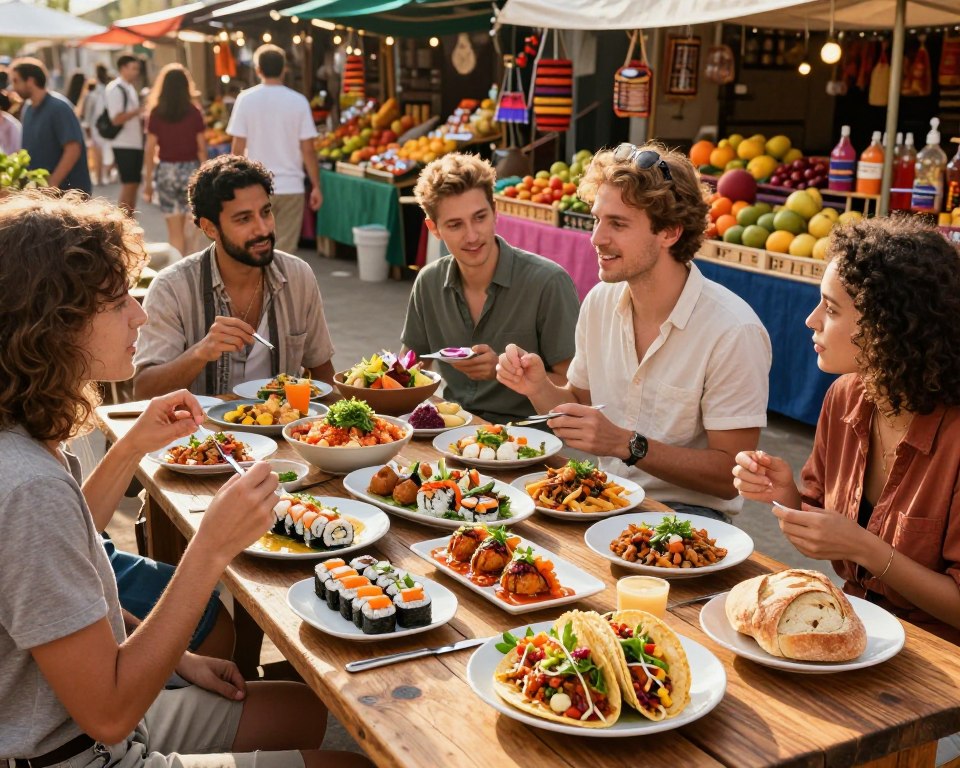
At local markets you ask what’s in season and learn what people actually cook. Those tiny chats help you connect deeply with culture and locals.
Doing nothing on purpose
Sit by the waves, read on a park bench, or watch a street corner. Purposeful downtime restores you and makes the place feel lived in.
Meals and unplanned magic
Returning to a favorite spot and trying more of the menu creates meals that become core memories.
When you leave space in your plan, invitations and detours arrive. Those surprises often become the best experiences.
| Moment | Why it sticks | How to create it |
|---|---|---|
| Corner café morning | Familiar routine, sensory cues | Stay in one neighborhood; go daily |
| Market conversation | Local insight, human connection | Ask questions; buy a simple ingredient |
| Quiet afternoon | Restorative pause, place feeling | Schedule free time; sit and observe |
The Real Benefits You Feel When You Travel at a Slower Pace
When you slow your pace on a trip, the biggest change shows up in how rested and curious you feel afterward.
You actually feel rested after your vacation
Sleep and ease return. You wake without alarms, linger over breakfast, and stop treating each day like a race. That rhythm reduces stress and leaves you ready for home.
You spend less but experience more with longer stays
Longer bookings often lower nightly costs. You cut constant transportation fees and can cook a few meals without missing great food.
You avoid crowds by traveling off-peak and exploring beyond tourist zones
Visit in shoulder seasons, go early or late to big sites, and explore neighborhoods beyond main routes. You’ll see daily life, not just crowded attractions.
It’s better for the environment with fewer flights and more local choices
Fewer short-haul flights and more walking or public transit reduce your footprint. Buying from local shops also supports people and places you visit.
“A calmer pace gives you rest, richer experiences, and a smaller footprint.”
| Benefit | Why it matters | How to start |
|---|---|---|
| Better rest | Less stress, deeper recovery | Book longer stays; add free mornings |
| Lower daily cost | Fewer transfers, cheaper rates | Rent outside center; cook sometimes |
| Fewer crowds | Calmer museums and streets | Go shoulder season; explore neighborhoods |
| Lower impact | Smaller carbon footprint | Choose transit; combine flights |
How to Plan Slow Travel Without Overplanning Your Days
Start by choosing a base that feels like a tiny home away from home; that choice decides most of your daily comfort.
Pick a base that supports daily life
Prioritize a full kitchen, in-unit laundry, fast Wi‑Fi, and a workspace. You are living there, not just sleeping. These amenities let you cook, work, and relax without constant logistics.
Build a flexible itinerary with anchors
Plan one or two anchors per day—an hour at a museum, a neighborhood walk, or a dinner reservation. Leave large blocks of time open for unplanned discoveries.
Try a test stay and book smart
Start with a long weekend or 5–7 days in one city to see if this way fits your schedule and work needs.
For popular seasons and destinations, book early to get a better stay and avoid high prices or limited availability.
Mini checklist:
- Book lodging that supports longer living.
- Reserve one signature experience or meal.
- Leave most days open for themes (food, market, park).
| What to book | Why | What to leave flexible |
|---|---|---|
| Lodging with kitchen/Wi‑Fi | Comfort, lower daily cost, ability to work | Exact hourly schedule |
| One special meal or tour | Guarantees a highlight | Daily transportation plans |
| Travel insurance for peak season | Protects booking changes | Every restaurant choice |
How You Live Like a Local During an Extended Stay
You learn a city fastest when you move through it the way its people do. Use public transportation, walking, and biking to feel local rhythm sooner than you would in rideshares.
Use transit, walking, and bikes to follow the city’s pace
Riding buses or trams teaches you which stops lead to markets, parks, and quieter streets. Walking or biking helps you notice storefronts and small rituals that define local life.
Shop local and cook some meals
Visit a market once or twice a week. Buy fresh fruit, bread, and cheese for simple breakfasts or picnic lunches. Cook easy dinners—pasta, a stir-fry, or sheet-pan vegetables—and save money while you connect deeply with food and culture.
Create tiny routines that make a place feel like home
Repeat a morning route, a café stool, or an evening walk. Those small anchors help you meet people and make the city feel familiar without forcing plans.
“A stable base and simple routines let you do focused work, then explore without burnout.”
- Commuting to a market teaches where locals shop.
- Pick one café as your desk-away-from-desk.
- Mix home meals with one special restaurant each week.
For more on pacing your trip and practical tips, consider a guide to go slow travel.
Slow Travel-Friendly Destinations in the United States to Try Next
Find places in the U.S. that let you stick around, meet locals, and take short trips without changing your base. Good slow travel-friendly destinations share walkability, neighborhood culture, and easy day trips.
Asheville, North Carolina
Best in autumn for Blue Ridge Parkway drives and fall color. Browse galleries, rooftop breweries, and slow afternoons. Suggested stay: Nova at Biltmore Park — kitchen, workspace, and Wi‑Fi make it a practical base.
Savannah, Georgia
Mossy squares, Forsyth Park, and long historic walks set a gentle pace. Take an easy walking tour and add a relaxed Tybee Island day. The Line offers kitchens and coworking-friendly rooftop space.
Charleston, South Carolina
Farm-to-table food, markets, and nearby beaches mean you can split days between market mornings and beach afternoons. Book key meals and stay at 35 Folly for kitchen, laundry, and Wi‑Fi.
Dunedin, Florida
Gulf Coast calm with Pinellas Trail biking and Honeymoon Island day trips. Choose The Carlisle at Dunedin for bike storage, laundry, and a homelike kitchen.
New Orleans, Louisiana
Plan fall nights of live jazz, slow streetcar rides, and lingering cultural exploration. Canal 1535 offers a kitchen, workspace, and rooftop so your stay supports long, rich experiences.
“Pick a base that lets you linger—small routines make a destination feel like home.”
Slow Travel for Real Life: Kids, Remote Work, and Limited Time Off
Mixing kids, remote work, and brief time off calls for a simple plan that protects rest and connection. You can make this way of travel fit school schedules, meetings, and limited PTO without losing the calm you want.
Why slow travel with kids often reduces stress:
Why slow travel with kids can mean fewer meltdowns and more connection
Fewer hotel changes and repeat routines cut chaos. When your child knows the playground or corner cafe, tantrums drop and you get more real conversations.
Simple family meals and one steady base let you trade logistics for connection. That creates space to enjoy the destination together.
Remote work trips: designing your day around focus, exploration, and rest
Work template: one focused morning block, a lunchtime reset, a single afternoon exploration, then an evening reset for family or local life. Pick lodging with reliable Wi‑Fi and a quiet workspace so work and trip don’t compete.
If you only have a few days: how to slow down inside a short trip
Choose one neighborhood, pick one anchor activity per day, and build in intentional downtime. Skip hopping between cities—you’ll feel more refreshed and still see the best bits.
Conclusion
Give yourself extra hours in one spot and the city’s small rituals start to matter. You notice faces, routines, and the tiny scenes that shape a meaningful travel experience.
Quick checklist, pick a comfortable base with a kitchen and Wi‑Fi, plan one or two daily anchors, keep local routines, and leave room for unplanned discoveries.
You don’t need a perfect plan. Choose one place, stay a little longer than usual, and set one simple intention for how you want to feel on the trip.
The payoff: richer memories, closer connection to people, better rest, and a lighter footprint on the environment. For a practical slow travel guide, see tips that help you plan longer stays without stress.
Try this on your next journey and come home restored instead of needing recovery.