Anúncios
You can make a short break feel like a true vacation by protecting the hours you have and cutting friction before you go.
Define success for your own trip: more usable time away, less rush, and a clear plan that keeps your energy steady. The Enterprise Annual Weekend Getaway Survey (cited by Amanda Williams) found 85% of people planned to take a weekend trip in 2018, up from 78% in 2017.
That rise shows why short travel works: you can take more trips each year without burning vacation days, and even the anticipation lifts your mood. This guide walks you through three pillars: picking the right destination, shaping an itinerary that feels spacious, and optimizing logistics like flights, drives, and hotel location.
By the end, you get rules you can reuse so planning takes minutes, not days. You come back recharged for work, with at least one standout memory, and without feeling like you spent the whole getaway in transit. Close-to-home doesn’t mean boring — your next favorite place might be a couple of hours away, and that’s the point.
Choose a Weekend Destination That Protects Your Time
A smart destination choice keeps most of your hours for doing, not moving.
Anúncios
Keep travel short: aim for places roughly 2–3 hours away by car, train, or a short direct flight. This rule saves you travel time and gives you usable days for food, sights, and a real break.
Keep travel time short
Limit transit so your trip feels like a getaway, not a commute. If you can reach the destination within a couple of hours, you keep morning and evening hours free for activities and rest.
Pick one city as a base
Choose a single city to avoid losing hours to check-ins, repacking, and rides. Look for walkable neighborhoods where coffee, food, and attractions cluster. That way, you explore more and move less.
Anúncios
Use day trips for variety
Day trips let you add adventure without changing hotels. Leave in the morning, return at night, and skip extra logistics. Confirm early and late transport options—driving, local transit, or tours that include pickup—so the day isn’t cut short.
| Rule | Why it protects time | How to pick |
|---|---|---|
| 2–3 hours max | Preserves morning and evening hours | Car, short flight, or direct train from your home |
| One-city base | Reduces repacking and transit | Choose walkable districts with clustered attractions |
| Day trips | Adds variety without hotel changes | Confirm return options and start early |
Pro tip: The simpler the destination decision, the easier it is to say yes when work gets busy. For quick planning help, check a short guide to micro-trip planning at micro-trip planning.
How to Build a Weekend Itinerary That Feels Like a Real Vacation
Begin with the handful of things you really want to do, then build flexible time around them. Pick 2–4 must-dos for the whole trip so you don’t spend all your time deciding what to do.
Anchor the trip with a few must-dos, then leave space for spontaneous moments
Choose one signature experience that becomes the story you tell later — a show, a winery tour, a boat ride, or a rooftop meal. Book that first so the rest of your days can settle around it.
Use the “few big things per day” rule to prevent a rushed weekend
Aim for no more than three big things per day. That protects your energy and keeps the schedule friendly. When you limit the big items, you give yourself room for a long lunch or a slow morning.
Create a self-guided walking route to connect attractions efficiently
Drop up to ten top spots into Google Maps and let it order the route. Cluster sites by neighborhood so you spend more time enjoying the city and less time commuting.
Block time to wander a cool neighborhood for food, coffee, and people-watching
Reserve a few hours for aimless wandering near good restaurants and coffee shops. Those pockets often create the small, memorable moments that make a vacation feel real.
Plan one signature experience and schedule real rest
Make one big excursion your anchor and schedule a slower morning or a long afternoon break. If your plan has zero downtime, cut an activity; if it has huge gaps, add a short list of backup things to do nearby.
Quick tip: For more concise planning help, see this short guide to weekend vacations.
Maximize Weekend Trips by Optimizing Flights, Drives, and Hotel Location
Choose travel windows and routes that give you more hours for doing, not moving. A few small choices about departure and arrival times and where you sleep can add real usable time to a short trip.
Select departure and return times that add usable vacation hours
Pay for later returns or early departures when it saves you full hours of exploring. Leaving very early in the morning and returning late at night stretches a short break into what feels like extra days.
Favor direct flights and simple routes to cut layovers and friction
Pick direct flights or single-drive windows whenever possible. Every connection eats minutes, raises risk, and costs you energy — often worth a little extra money to avoid.
Stay in the middle of the action to reduce rideshares and wasted minutes
Use a quick map check: pin your top attractions and pick a hotel inside that radius. Staying central or near transit saves you rideshare fees and repeated commuting time.
“When you splurge, spend on location — it buys you time every day.”
- Do the schedule math: compare door-to-door time, not just flight time.
- Keep to one hotel to avoid packing, check-out lines, and lost daytime.
- Choose a hotel near transit to save money and minutes on local travel.
Pack and Prep Like a Pro for a Smooth Weekend Getaway
A bit of smart prep before you leave saves hours and keeps the whole trip relaxed. Use a short, repeatable routine so packing and home prep take minutes, not hours.
Go carry-on only with a reusable checklist
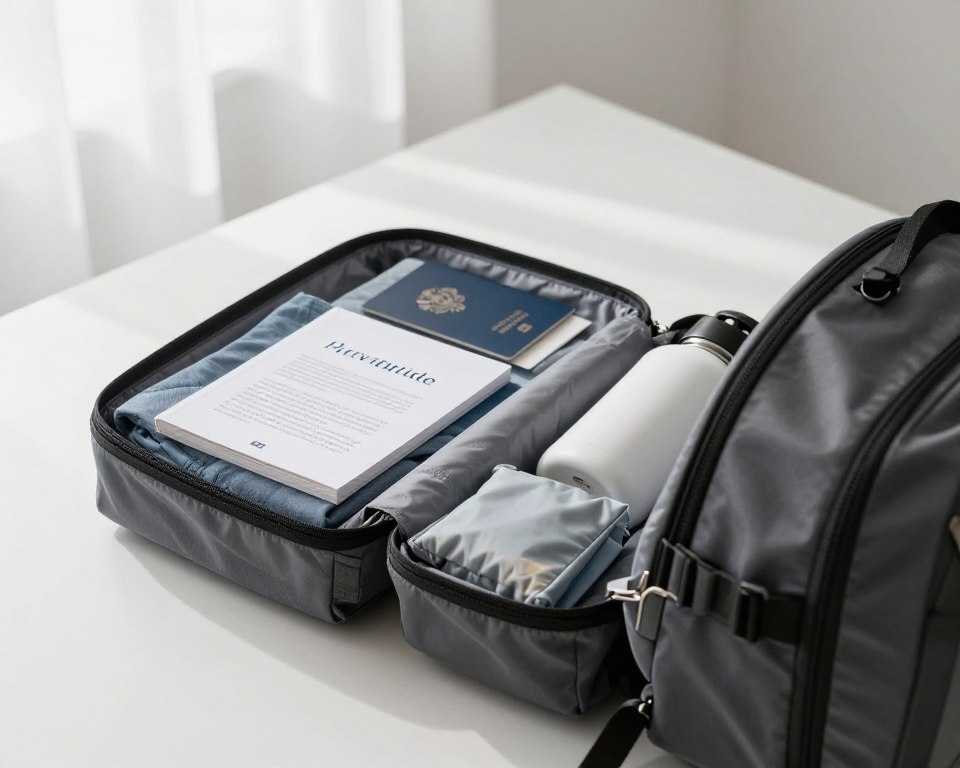
Skip checked baggage to avoid waits and fees. Pack one carry-on for a 3-day trip: versatile layers, a toiletry kit, chargers, meds, and comfy shoes.
Make one master list you reuse, then tweak it for weather and planned activities.
Use small tech wins to move faster
Download offline maps, enable mobile check-in, and pin confirmations in one folder. These steps cut search time and keep morning departures calm.
- Save confirmations as screenshots for quick access.
- Turn on notifications for hotel check-in to skip the desk.
- Download transit or map areas for the places you’ll visit.
Do a quick pre-trip reset for an easier homecoming
Spend about 30 minutes the night before: tidy counters, take out trash, and change sheets. Coming back to a clean home stretches your vacation feeling a bit longer.
Final bit of planning: confirm reservations, pin must-go spots, and screenshot directions for anything time-sensitive. Smooth logistics mean you enjoy more of the time away.
Conclusion
A simple, repeatable plan makes short breaks feel real.
Choose a nearby destination, use one city as your base, pick 2–4 anchors per day, and optimize logistics to protect your time.
When you guard hours first, a 48–72 hour getaway can feel like a longer vacation. Use the framework through the year to collect more experiences without burning days off.
Action list: pick one destination today, book a central hotel, sketch your must-dos, and lock the best departure and return windows.
Return to work recharged on purpose. Scan upcoming dates, commit to one small-cation, and let the next weekend trip be a real break.