Anúncios
Shani, a seasoned travel expert, says planning ahead is the best way to make a future getaway smooth and fun. A clear family trip structure helps set expectations and saves precious time. Simple rhythms for each day cut down on stress and let everyone relax.
Organized plans help parents and kids know what to expect. When they map out must-see sites and pockets of downtime, the group will hit the highlights without rushing. Smart pacing means fewer meltdowns and more laughs.
These practical tips for travel show how small choices change the whole vacation experience. With thought given to interests and naps, the group will enjoy each day and create lasting memories. Clear plans keep focus on discovery, not logistics.
The Importance of a Solid Family Trip Structure
A clear daily routine cuts confusion and keeps everyone moving toward shared goals. Establishing that routine prevents frustration when members have different ideas about how to spend their time.
Anúncios
Shani notes that extended family members often poke fun at her detailed itineraries. They joke, but those lists are why her group reliably visits top sites.
Having reliable information about preferences helps craft a vacation that balances needs. From the youngest child to the oldest adult, a thoughtful plan reduces stress and protects limited days.
Anúncios
“Detailed schedules let us see highlights without wasting hours deciding where to go.”
- Prevents clashes over choices and saves precious time.
- Keeps expectations clear so each member feels heard.
- Creates a calmer, more enjoyable atmosphere for the whole group.
In short: prioritizing a solid approach is the best way to ensure organized, happier family travel.
Assessing the Needs and Interests of Your Group
A simple survey of preferences helps shape days that feel fair and fun for all.
Gathering input from all members means asking short, direct questions. Use a quick poll to list must-do activities and deal-breakers.
Include the kids when you ask. Their choices can point to kid-friendly parks, beach afternoons, or theme-park days in Orlando, Florida.
Gathering Input from All Members
Keep the survey simple: three items per person. Ask about preferred pace, top attractions, and any mobility limits.
- Compare answers to find shared interests.
- Note special needs for children and older adults.
- Use answers to cut down on wasted time during the vacation.
Identifying Individual Travel Styles
Some members want adventure; others want downtime. Match options—Yellowstone for hiking, Costa Rica for nature, or a relaxed beach day.
“When everyone names one must-see, planners can pick a balanced place and set a realistic budget.”
Strategic Planning for Sightseeing and Downtime
A clear rhythm of activity and rest helps everyone enjoy each destination more.
Shani advises that for active travel—especially busy European itineraries—schedule two full days of intense sightseeing, then follow with a day of planned downtime.
That rest day can be at the hotel, on the beach, or wandering a local market at a slow pace. Choosing one low-commitment day every three keeps kids and adults refreshed.
“Plan two big days, then a slow day—your group will thank you for it.”
Quick planning tips:
- Balance active days with recovery days to avoid exhaustion.
- Limit time at each destination so children stay interested and adults don’t rush.
- Use downtime to recharge, adjust plans, or linger where the group feels happiest.
When a plan includes both action and rest, the whole group keeps energy high across multiple days. Sometimes the best moments come from simply lingering and letting the day unfold.
Managing Expectations for Children and Adults
Clear expectations cut stress and let everyone savor the day. A steady approach helps adults see major sights while kids get moments to play and recharge.
Balancing Adult Interests with Kid-Friendly Activities
Shani remembers a Lake Como “mom fail” when five-year-old Easton belched loudly in a quiet restaurant. The pause in the room taught her a simple lesson: prepare children ahead and plan short, flexible stops.
Hangry is real, so avoid long, formal meals when kids are tired. Let some members skip water outings or museums so others can enjoy them without pressure.
- Keep museum visits brief or split the group so adults can linger.
- Allow small, planned solo times—this reduces tension and boosts fun for the whole family.
- Use snack breaks and low-commitment plans to reset energy and moods.
“By letting others do their own thing, you make life much more enjoyable for everyone.”
In short: accept that not everyone must do everything. That flexibility is the best way to protect time, reduce stress, and ensure a happy vacation for all members.
Selecting the Right Travel Environment
Choosing the right setting can remove daily friction and help everyone happy on a family trip. An all-inclusive resort or a cruise often acts like a compact plan. They bundle meals, pools, and child care so parents and kids both get what they need.
Cruises work especially well for large groups. They serve a range of food—from sushi to chicken nuggets—and host activities for teens and toddlers at once.
- All-inclusive hotels offer on-site activities so some can sleep in while others watch the sunrise.
- If nature calls, a destination like Costa Rica gives kids a chance to see wildlife and explore rainforests.
- Picking the right place reduces clashes over plans and balances rest with exploration.
“When the environment meets varied needs, daily logistics fade and everyone enjoys the vacation.”
In short: consider needs of others in the group and pick an option that blends adventure and comfort. The right choice is the foundation of a smooth family vacation and helps keep everyone happy while saving precious time.
Essential Logistics for Smooth Transitions
Smart preparation for rooms, bags, and schedules keeps the mood upbeat through the entire vacation. Small choices at check-in, at the gate, or when loading the car make a big difference in how the day unfolds.
Optimizing Accommodations for Personal Space
Choose hotel rooms that give people breathing room. A larger hotel room or two adjacent hotel rooms lets adults rest while kids play nearby.
Tip: reserving at least one extra room for privacy prevents cramped, tiring days for the whole group.
Packing Strategies for Families
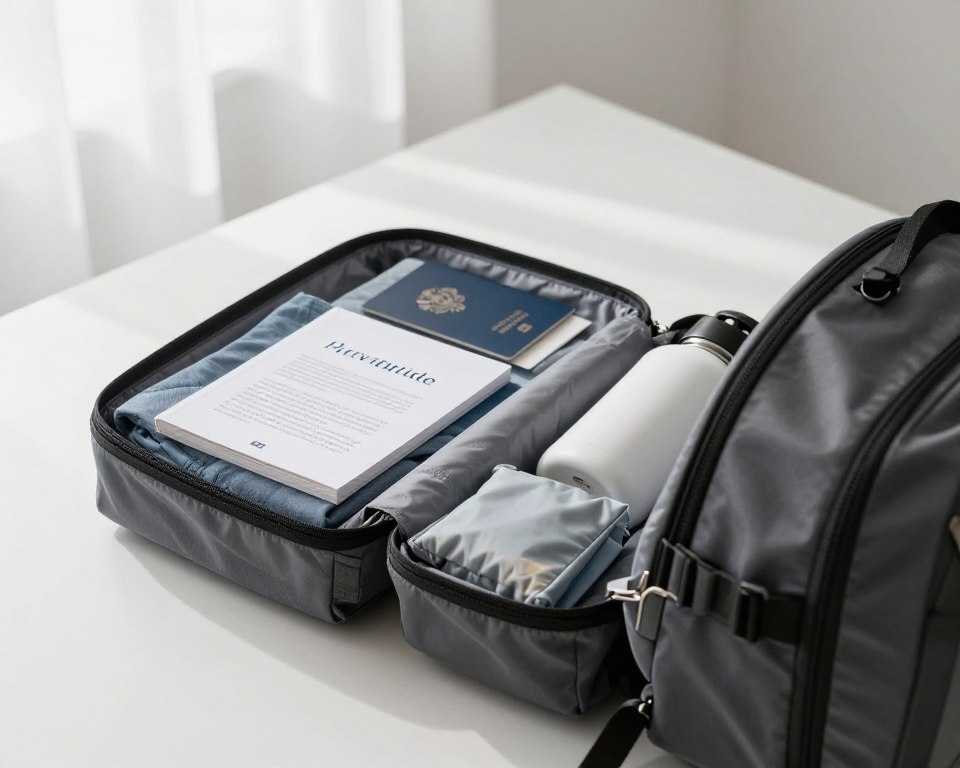
Use checked luggage for bulk items and keep diapers, tablets, and snacks in a carry-on for flights or long car legs.
- The Travelpro Platinum Elite 21/25/29 set helps keep clothes neat with its drop-in fold-out suiter.
- The Maxlite 5 set’s 360-degree spinner wheels make rolling bags easier for kids to help.
Managing Energy Levels During Travel
Plan rest windows between big activities. Shani advises avoiding a late-night event before an early morning outing to protect energy.
“Short recovery times save patience and keep smiles longer.”
Pack healthy snacks and simple games for flights and car rides. Managing money and energy gives the group flexibility to handle unexpected things and focus on fun.
Communicating the Final Itinerary
Circulating the day-by-day plan before departure helps settle questions and build excitement.
Send the final itinerary a few weeks ahead so all members can review flights, car meets, and daily timing. This gives everyone time to raise concerns or request changes.
Shani likes to walk the plan over with the kids. She finds that previewing activities creates anticipation and fewer surprises on the first day.
Whether traveling by flight or car, a shared schedule keeps the group organized. It reduces last-minute calls and confusion during busy travel days.
“A clear itinerary acts as a guide for the whole group and makes the vacation smoother.”
Practical tips:
- Share a single document everyone can edit or comment on.
- Highlight key times—meet-ups, departures, and rest windows.
- Assign simple roles so members know who handles tickets or snacks.
Conclusion
A short wrap-up helps set realistic hopes and keeps future outings calm and fun. It reminds everyone that planning and flexibility work together to protect rest and enjoyment.
In short, simple rules reduce friction and let kids relax while adults savor highlights. Small pacing choices save time and money and make each day feel easier.
When planning a future trip, pick a flexible destination and mix activity windows with downtime. Use these tips to shape a pleasing family vacation and test what works best for your group.
For context on how stable routines affect children over time, see this research on child outcomes.