Anúncios
This is a practical listicle made for U.S. operators who want to stand out without cutting rates. You’ll get clear, usable ideas and a short plan to build on your website, social feeds, and email.
Why now? More than half of travelers book rooms online, and 61% say they reserved after seeing a place on Instagram. About 30% of bookings still come direct, so your marketing must make the stay feel real before a guest clicks book.
When we say “campaign” we mean coordinated messaging across channels — not a one-off discount. A proper strategy links content, offers, events, partnerships, and reputation management so each touch pushes direct bookings and better margins.
What you’ll see next: location-led content, social approaches, email, SEO and AI visibility, packages, events, and partnerships. Each section gives what to build, what to post, and what to measure so you can act fast.
Outcome promise: more direct bookings, healthier margins, and repeat guests while keeping your brand’s local character. Read on and pick the tactics that fit your market and weekend demand.
Anúncios
Why Hotel Campaigns Matter More Than Ever for US Travelers
You sell feelings, not rates. With 57% of travelers booking online and 61% saying they booked after seeing a place on Instagram, your creative must help someone picture arrival, sleep, meals, and neighborhood moments before they book.
Online discovery is driving bookings, and your hotel marketing has to show the experience
Make visuals and microcopy that answer the question: what will this stay feel like? Guests who imagine the experience convert at higher rates.
Social proof and scroll-stopping content influence where people stay
Reviews, guest photos, and creator clips reduce risk for new travelers. Your first frame must show vibe, place, and who the stay suits.
Anúncios
Direct bookings protect margins and give you more control than third-party channels
Direct bookings cut third-party fees and let you personalize perks and loyalty. Coordinate website, email, social, and search so every touch builds trust.
- Experience-first creative increases conversion.
- Visible guest content lowers perceived risk.
- Monitoring direct booking share and conversion rate will show ROI.
| Metric | Why it matters | Target | How to track |
|---|---|---|---|
| Direct booking share | Improves margin and guest data | 30%+ of bookings | Booking engine + Google Analytics |
| Social-driven bookings | Shows content resonance | Increase after new content | UTM links and promo codes |
| Conversion rate (site) | Measures creative and UX | Improve 10% year-over-year | Sessions to booking conversion |
Define Your Target Audience and Unique Value Proposition Before You Launch
Pin down the travelers who most value your strengths before you spend a dollar on ads.
Use guest data to segment beyond demographics
Start with first-party data from your PMS, CRM, and site analytics to spot booking patterns. Look for behaviors: who books weekends, who prefers mobile, and who adds extras at checkout.
Segment by motivations, not just age. That helps you speak to what matters—privacy, convenience, or experience—and stops broad, forgettable messaging.
Turn your location, amenities, and services into a clear “why you” message
Translate features into benefits: instead of “free parking,” say “arrive stress-free and walk to the arts district.” Pick 3–5 brand attributes to repeat everywhere — friendly staff, great sleep, local design, wellness, or speedy check-in.
A strong proposition lets you add value rather than cut price. For guidance on crafting a clear selling line, see this short guide to a unique selling proposition.
| Segment | Data source | Key message |
|---|---|---|
| Weekend couples | PMS + booking engine | Romantic packages and late checkout |
| Business midweek | CRM + corporate bookings | Fast Wi‑Fi, quiet workspaces, flexible check-in |
| Pet travelers | Guest profiles + add-ons | Pet-friendly rooms, nearby parks |
Local hotel campaign ideas that showcase your location like a local
Make it easy for guests to picture a stay. Build focused pages on your website that answer the exact searches travelers type. When you show walk times, parking tips, and the best breakfast spot, you remove doubt and make booking the obvious next step.
Neighborhood micro-guides on your hotel website that convert research into bookings
Create short, mapped guides on your hotel website with walking routes, “best breakfast near us,” and where to park. Add a clear CTA on each card linking to room options and packages so content drives bookings, not just clicks.
Destination storytelling content that highlights hidden gems and seasonal experiences
Publish seasonal posts—fall foliage routes, summer lake days, winter markets—that make your property feel timely. Use vivid microcopy and photos to help readers imagine an entire day around your address.
Geo-targeted promotions for drive markets and weekend travelers
Focus ad spend on nearby metros and personalize copy by city: “Escape Chicago for a two‑night stay.” Run promos during pre-peak booking windows to capture planners while they search.
Landing pages for local attractions and high-demand weekends
Build landing pages for festivals, graduations, and concerts with FAQs, distance/time, and recommended rooms. Link each guide to packages and booking paths so search traffic converts.
- Location as a conversion engine: answer common queries and make booking simple.
- Update content at the right times to catch planners before they commit.
- Internal links should point to rooms, offers, and fast booking flows.
Social Media Campaigns That Turn Views Into Guests
Treat social media as a conversion system: run consistent series with clear hooks and links you can track. Sixty-one percent of people book after seeing a place on Instagram, so your feeds must sell experiences, not just rooms.
Branded hashtag and share prompts
Pick a short, readable hashtag and display it at check‑in and in the room. Use a gentle note to encourage guests to tag you. That simple nudge turns guest posts into social proof.
Short-form video formats that work
- “15s check‑in to cocktail” — shows a quick experience.
- “Morning coffee walk” and “room‑to‑rooftop sunset” — sell a full day.
- “What $X/night feels like here” — concrete context for a stay.
Creator stays and behind‑the‑scenes
Work with micro-influencers whose audience matches your target. Require UTM links so bookings are traceable. Share behind‑the‑scenes clips — chef prep, front desk tips, staff spotlights — to humanize service.
Examples: adapt storytelling used by Hilton, Marriott, Four Seasons, or Hyatt at a smaller scale. Always pair posts with a direct-booking CTA (link in bio or story) and a clear reason to book direct.
Email Marketing Campaigns to Increase Repeat Stays and Loyalty
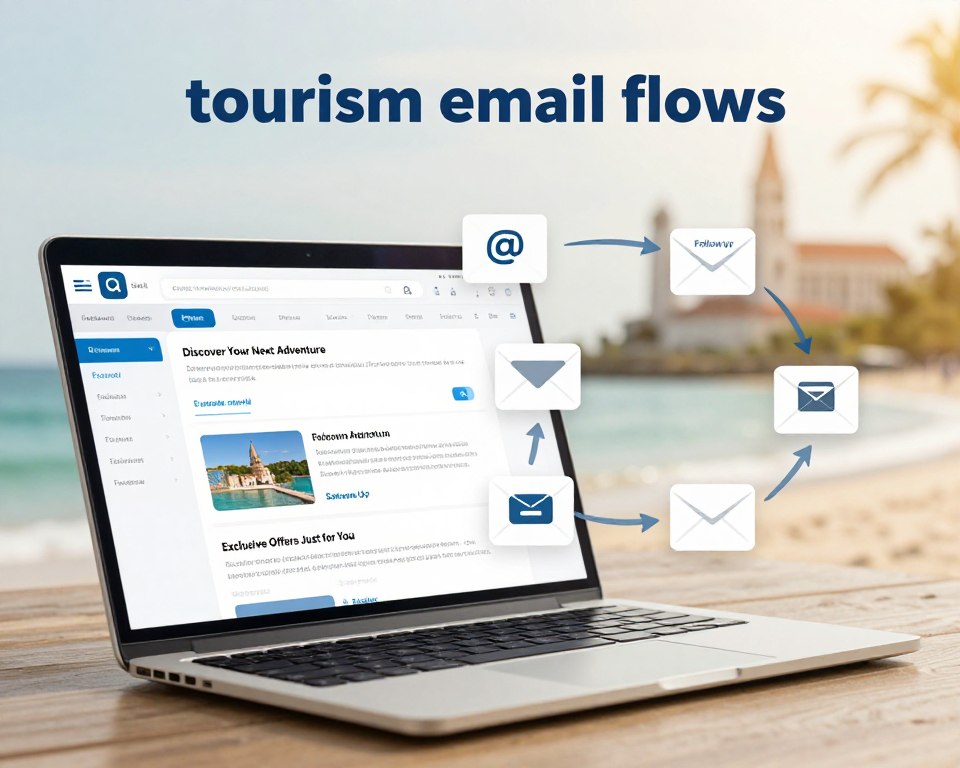
Email lets you reach past guests with offers that feel personal, timely, and useful. Use that access to protect rate integrity and grow repeat business without racing on price.
Pre-arrival upsells that feel helpful, not pushy
Send one concise pre-arrival message with curated add-ons: early check-in, parking, pet add-ons, breakfast, late checkout, and a short local experience. Keep copy focused on convenience and time savings.
Post-stay sequences that win reviews and returns
Start with a thank-you email, then follow with a simple review link and a time-limited bounce-back offer. Define the return window (e.g., 90 days) and include a direct booking incentive to drive repeat bookings.
Subscriber-only promotions and location segmentation
Offer subscriber-only promotions with clear rules: blackout dates, stated value, and a direct booking perk. Segment by drive vs. flight markets and tailor messages to weather, school calendars, and business schedules.
- Tools: use PMS/CRM tags, automated flows, and UTM tracking to attribute revenue.
- Loyalty tip: reward repeat guests with small perks—credits or upgrades—that cost less than OTA fees.
| Use | Why it works | How to track |
|---|---|---|
| Pre-arrival upsell | Increases ancillaries and average booking value | Click rates + booking conversion (UTMs) |
| Post-stay bounce-back | Drives quick repeat stays and reviews | Redemption rate + review lift |
| Subscriber-only promo | Protects rate while rewarding direct bookings | Promo code redemptions + revenue per email |
Hotel Website, SEO, and AI Search Visibility Campaigns That Drive Direct Bookings
Most guests begin with a search box; your pages should be the direct path from query to booking.
Match intent with focused pages and templates
Build pages that mirror queries like “hotels near [attraction]” and funnel visitors into a clear booking CTA. Each page should list distance, parking/transport tips, what the neighborhood feels like, and a recommended room for that trip.
Use schema and structured data
Implement Hotel schema, amenities markup, consistent address, review snippets, and image tags. This helps search results and Google hotel features interpret your property and improves visibility.
Write conversational, AI-friendly content
Answer common questions in plain language: “Do you have parking?” or “Is it walkable to downtown?” Format these as Q&A so trip-planning assistants can pull direct answers.
“Optimize for search and AI: clear structure, FAQs, and up-to-date schema will lift visibility and bookings.”
UX fixes that reduce friction
Fewer form fields, faster pages, clear room comparisons, upfront fees, and a sticky Book Now button on mobile raise conversions. Better on-site experience increases direct bookings and protects margins.
| Focus | Why it matters | Quick metric |
|---|---|---|
| Intent-matched pages | Improves relevance for search queries | Organic search clicks → bookings |
| Schema & listings | Enhances visibility in hotel search | Search impressions + rich results |
| AI-friendly Q&A | Makes content pullable by assistants | Featured answers & referral traffic |
Promotion and Package Campaigns That Fill Need Periods Without Cheapening Your Rates
Well-built packages sell experiences, not discounts, and keep your margins intact. Use offers to shift demand to quiet nights and add perceived value without cutting public rates.
Seasonal and themed promotions that add clear value
Create seasonal promotions that bundle perks—breakfast credit, parking, attraction passes, or late checkout—so guests feel the benefit without a lower rate.
Extended stays and weekday-focused packages
Try “stay 3, get a weekday perk” or a midweek dining credit to move occupancy from weekend peaks to slower days. Offer coworking access or laundry credit to appeal to longer stays.
Direct-booking perks and simple rules
Reserve perks for bookings on your site: upgrade priority, welcome gifts, or beverage credits. Keep rules simple: one offer per booking, clear blackout dates, and easy redemption steps.
Measure and optimize fast
Track each promotion with promo codes, booking engine tags, and weekly checks. Use those tools to see which offers drive bookings and protect your rates so you can refine the strategy quickly.
Event-Driven Campaigns That Capture Demand Spikes in Real Time
Events create short, intense booking windows; your actions in the first 48 hours define revenue potential.
Quick wins for concerts, sport, and conventions
Why this works: intent is immediate and competition moves fast. When a major act or tournament announces dates, search volume jumps and people book quickly.
Event landing page playbook
Build a focused page with event details, distance to the venue, parking and ride-share tips, and a clear Book Now CTA. Add minimum-stay logic and a short FAQ to cut friction.
Practical dynamic pricing
Monitor pickup and search demand hourly. Raise rates as rooms sell and free up inventory for higher ADR. Avoid selling out too early at low pre-event prices.
In-property events and bundles
Host live music nights, watch parties, or pop-up tastings to draw locals and create future guests. Bundle shuttle credits, snack packs, or late checkout to increase perceived value.
| Metric | Why it matters | Target |
|---|---|---|
| Event-weekend pickup | Shows demand velocity | Faster than baseline |
| ADR (during event) | Captures revenue per room | Increase vs. non-event |
| Direct booking share | Protects margins | Higher than OTA share |
Coordinate Google Business updates, social posts, and email blasts to past guests during peak times to maximize reach.
Partnership and Community Campaigns That Build Credibility and New Audiences
Partnerships let you borrow trust from respected businesses and reach customers who already value related services. When a restaurant or museum endorses your rooms, prospective guests feel safer booking with you.
Collaborations with restaurants, museums, guides, and artisans
Create packages that pair stays with experiences: stay-and-dine vouchers, museum tickets, guided tours, artisan welcome gifts, or curated itineraries. These bundles make your services feel larger than a room and sell an easy, memorable visit.
Co-marketing with DMOs and local media
Submit your packages to destination roundups and pitch seasonal angles to city media. DMOs can amplify destination promotions and put your promotions in front of regional travelers during peak planning windows.
Cross-promotions that expand reach without expanding ad spend
Use social swaps, permission-based email list swaps, and joint giveaways tied to direct-booking links. Keep the execution simple: one-page agreements, clear redemption steps, and shared creative assets.
- Operational tip: use unique promo codes and partner landing pages to track performance.
- Measure what works: double down on partners that drive bookings and drop underperformers.
- Frame each tie-in as an experience—help guests feel they’re staying like a neighbor, not just near an attraction.
| Partnership Type | Value to Customers | How to Track |
|---|---|---|
| Stay-and-dine bundle | Dining credit + convenience | Promo code redemptions + reservation source |
| Museum or tour ticket | Curated experience + time saved | Landing page conversions + partner referrals |
| DMO/media co-promo | Broader reach during seasonal promotions | UTM-tagged links and referral traffic |
| Social/email swaps | Audience expansion with low ad cost | Trackable direct-booking links and signups |
Reputation and UGC Campaigns That Build Trust Across Every Channel
What guests say — and how you reply — shapes search visibility and real bookings. Treat reputation as a running marketing program, not a weekly chore. Consistent, attribute-rich responses help search engines, AI assistants, and people decide to book with confidence.
Review response playbook
Respond quickly. Thank the guest, echo 1–2 brand attributes (for example: quiet rooms, friendly team, walkable location), and invite them back.
For negative feedback: acknowledge the issue, clarify what happened, state the change you made, and provide a direct contact path so the guest feels heard.
Encourage better, more useful reviews
Ask guests to mention specifics that matter—parking, cleanliness, breakfast, pet policy, or noise level. Specifics help future guests decide faster and improve your website and listing snippets.
Build a guest-generated content pipeline
- Request photo permission at checkout and via post-stay email.
- Create a shared folder or tagging process so staff can find approved images.
- Repurpose UGC into ads, social posts, and on-site galleries to show real people and real stays.
UGC prompts that work: “Show us your view,” “Your favorite corner of the lobby,” or “Best bite within five minutes of the property.” These yield authentic content you can reuse.
“Richer reviews plus structured listings help assistants and search confidently recommend your property.”
Connect the dots to AI visibility: encourage attribute-rich reviews, keep schema up-to-date, and feed high-quality content into your website. That combination improves recommendations across search and voice assistants, and it builds trust with people who haven’t been to your property yet.
Conclusion
The best results come when technology and warm service work together to sell real experiences. Blend storytelling, digital touchpoints, and simple personalization so guests can picture arrival, a meal, and a restful night before they book.
Use a mix of location-led content, social media series, email automation, SEO and AI-friendly pages, value bundles, event plays, partnerships, and reputation work. Start with your audience and the data you already have so every message lands.
Next 30 days: pick one need period, launch one package, build one landing page, and run one trackable social push tied to direct bookings. Track a few KPIs—direct booking share, site conversion rate, email revenue, and engagement—and improve each play over time.
Technology scales your reach, but genuine hospitality makes guests stay and tell others. Deliver clear promises across website, media, and service, and you’ll earn better bookings and lasting loyalty.