Anúncios
You are about to get a clear view of why quiet shorelines rose from hidden spots to must-see picks this past year. Gen Z searches jumped 26% for fall, and many travelers chose longer, shoulder-season trips that stretched into new years of exploration.
Editors and on-the-ground reporting created a practical list of appealing places — from Naha and Ericeira to the Westman Islands and Chiriquí. Affordability and improved access, like new nonstop routes to Barbados and added eco-resorts, pushed these destinations into the spotlight.
You’ll learn how to balance beach time with nearby city culture, choose a smart capital or secondary hub, and plan summer escapes that feel like home away from home. This short intro sets up a practical, data-backed guide so you can use the report to refine work‑friendly itineraries and savor world-class local culture without the usual crowds.
How coastal destination trends are shifting as you plan for 2026
You’re seeing a clear timing shift—late spring and fall are becoming go‑to windows for smarter beach trips. Many want to trade summer crowds for calmer shores and lower rates.
Data shows shoulder season became a sweet spot. About 42% of Gen Z said fall travel feels like a better deal. U.S. platforms also rolled out Reserve Now, Pay Later, which helps you lock plans without a huge up-front cost.
Anúncios
- You’ll notice a common strategy: pair a capital or secondary hub with nearby beach areas. Use cities for flights and culture, then pivot to quieter shores on short transfers.
- The world’s big-name hotspots stayed popular on lists, but many travelers booked coastal alternatives—places like Naha, Ericeira, and Praia Grande—to avoid pressure and enjoy similar vibes.
- Platform features and payment options helped you commit earlier and spread costs, which is crucial when summer availability tightens fast.
You’ll find this shift benefits you directly: calmer beaches, easier dining, and more personalized service from hosts and guides. Plan around shoulder months and you’ll get better value and deeper local connections during your travel.
What’s driving the surge: affordability, shoulder season, and Gen Z’s longer trips
Value and timing reshaped how you plan trips last year. Gen Z searches for fall climbed 26%, and about 80% said affordability changed their choices. That mix made “affordable luxury” real for many city stays and quieter beach towns.
Affordability meets upscale value
You saw the market shift toward stylish yet affordable stays. Booking a single standout experience plus several low-cost options kept costs down and memories high.
Anúncios
Shoulder-season tactics
Travel in spring or fall cuts crowds and often lowers flight and lodging rates. Use flexible dates and you can make a longer trip cost less per day than a short summer sprint.
Gen Z and longer, immersive trips
Many travelers stretched trips into weeks to work remotely, dig into food walks, market tours, and water-sports intros. Tourist pressure eased, leaving quieter sands, easier dining, and better tour access.
- Mix city and coast to balance culture and calm.
- Book one big experience and fill the rest with low-cost activities.
- Use flexible tickets to stretch value across years of travel planning.
Asia-Pacific coastal calm: Naha and Okinawa’s island-city blend
Think of Naha as a compact launchpad where city energy meets quick trips to clear-water beaches. You can move from busy markets to shoreline views in less than an hour, which makes planning easy.
Naha, Japan: “Japan’s Hawaii” with bustling streets, beaches, and island culture
Naha earned the nickname Japan’s Hawaii for good reason: restaurants, shops, and lively neighborhoods sit steps from ferry piers. That means you get island ease with urban comforts and everyday life that feels both local and accessible.
Waterfront activities: snorkeling, city-to-coast day trips, and food markets
Snorkeling and short day trips along Okinawa’s coast were top picks for travelers. You’ll split time between morning market runs and afternoon swims without needing a car.
- Plan a snorkel, then grab shaved ice and an evening at an izakaya.
- Use buses or taxis for quick hops to nearby towns and quieter shores.
- Have a backup plan for windy days: crafts streets, museums, and indoor cultural stops.
Where to stay: ocean-view stays and easy access to beaches
Choose ocean-view hotels or small guesthouses near the tram line or ferry piers to save time. These spots keep beaches within reach and make summer logistics simple.
Pair one urban day with one beach day, and repeat to balance local culture and calm. You’ll leave with a clear sense of why Naha ranks among the best places to base island explorations in the region.
Brazil beyond the icons: Ipojuca and Praia Grande for beaches without the rush
If you want sun and snorkeling without the nonstop bustle, these Brazilian spots are made for relaxed stays. Both places are practical choices among popular destinations and give you calmer options for a real beach rhythm.
Porto de Galinhas: shallow pools and lively marine life
Ipojuca’s Porto de Galinhas is famous for shallow natural pools where low-tide snorkeling tours let you spot colorful fish and coral safely. These clear pools are family-friendly and work well for first-time snorkelers.
Praia Grande: long sands and easy weekend escapes
Near São Paulo, Praia Grande draws sunseekers with long sandy stretches and a vibrant weekend beach culture. It’s easier to reach than some island options, so you skip complex ferry schedules.
- Best timing: choose calmer months for better wildlife viewing around reefs.
- Local flavor: explore nearby towns and sample moquecas while supporting local communities.
- Pairings: combine coast days with nearby nature reserves or a national park day trip.
- Where to stay: pick boutique pousadas or beachfront apartments to cut transfers and maximize time on the sand.
Portugal’s coastal edge: Ericeira’s surf scene and Faro’s Algarve gateway
Ericeira and Faro each show how small cities and gentle shores can combine for low‑stress, high‑reward trips. You’ll see surf culture, cliff walks, and quiet islands—each within short travel time.
Ericeira: relaxed surf capital with small-town charm and coastal trails
Ericeira grew into a surf haven with a clear small‑town rhythm. Mornings start with surf checks and end with seafood at sunset.
Walk the coast paths for views that recall Biarritz, but with fewer crowds. Pick guesthouses or small hotels near the breaks to save steps.
Faro: serene base to reach quiet sandbar islands and nature reserves
Faro often flies under the radar, yet it works as a calm gateway to sandbar beach escapes and protected wetlands. The Old Town adds atmosphere between day trips.
Short ferries connect you to tidal lagoons and prime birding sites, so you can pair city conveniences with quieter shores. This part of Portugal suits travelers looking for relaxed schedules and varied experiences.
- Plan smart: base in Faro or Ericeira to keep transfers short and beach time high.
- Where to stay: choose hotels or guesthouses close to surf breaks or ferry terminals.
- Best time: aim for shoulder months for milder weather and fewer crowds.
Caribbean alternatives: San Andrés and Barbados’s wilder East Coast
Two Caribbean spots quietly reworked your typical island plans in the past year, giving you lively color without big crowds. If you favor a laid-back summer feel, these picks mix reef life and surf culture into easy, walkable rhythms.
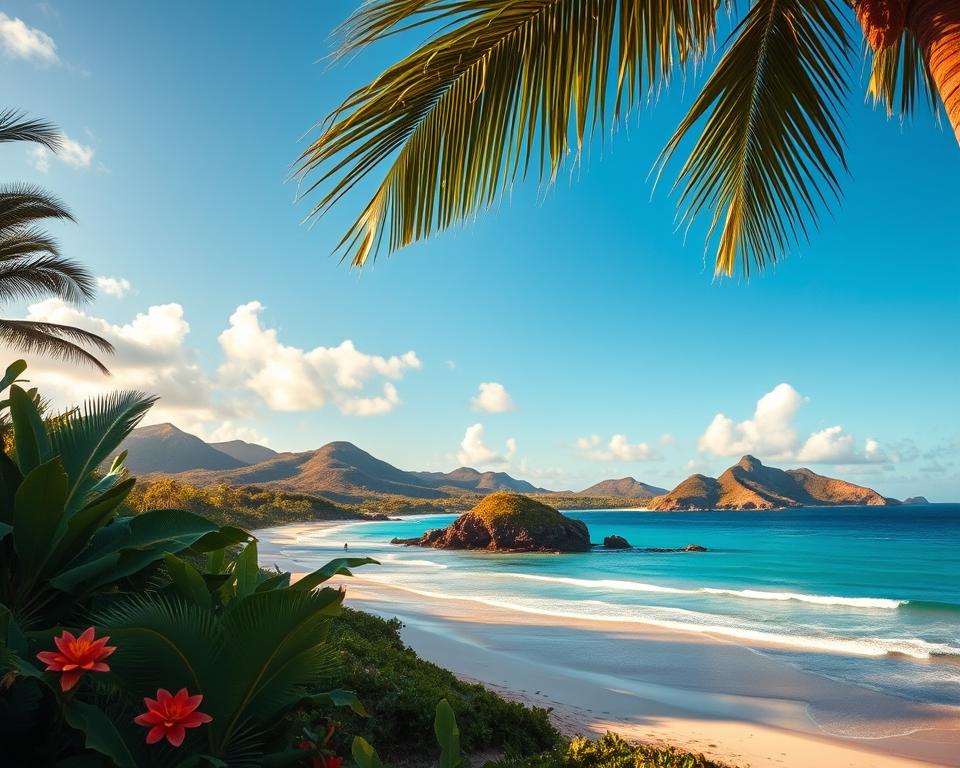
San Andrés: water sports, reef snorkeling, and slow island life
San Andrés delivers classic Caribbean color with reef snorkeling, glassy paddle mornings, and easy beach cruising. You’ll skip the all‑inclusive overload and find local shops and family-run stands near the pier.
Barbados East Coast: Soup Bowl, hikes, and better access in 2026
New nonstop flights and port upgrades put Bathsheba and the Soup Bowl within reach. A new all-villa East Resort and nearby hotels make seaside hikes and surf checks simple to fit into your days.
- Activities: intro dives, reef floats, and sunset lookouts anchor your days.
- Find people-focused moments—weekly fish fries with live music and spicy plates at Bay Tavern.
- Time beach sessions around surf windows to sidestep crowds and keep each trip relaxed.
These islands offer hands-on local experiences and easy access, so your next destination feels personal and lively.
Remote islands rising: Westman Islands and Guna Yala for wild seascapes
If you crave places where the ocean sets the pace, these islands deliver solitude and spectacle. Both areas were called out in 2026 for their untouched shorelines and strong local stewardship.
Westman Islands, Iceland: puffins, sea cliffs, and volcanic coastlines
On Heimaey you’ll find concentrated wildlife—puffins nesting on sheer cliffs and black-sand coves within a short walk. Trails across the 1973 lava fields lead to steaming slopes and wide landscapes that feel otherworldly.
Plan summer ferry windows and pack layers for quick weather shifts. Base in the main village for easy day hops and fewer transfers.
Guna Yala (San Blas), Panama: off-grid reefs, Indigenous culture, island calm
Guna Yala is run by the Indigenous Guna people, and community stewardship keeps coral reefs healthy and stays peaceful. You’ll enjoy simple island life, clear snorkeling and respectful, small-scale tourism.
Expect limited services and focus on low-impact options. Choose community-led boat days and guided walks to support locals and protect fragile nature.
- Why go: these places show rare parts of the world where solitude meets striking views.
- Plan smart: time ferries in Iceland and arrange boat transfers in Panama.
- Base choices: pick small hubs that let you reach reefs or cliff paths without long commutes.
- Travel tip: pack light for weather swings and accept trade-offs—fewer services for more quiet.
Pacific Panama made easy: Chiriquí’s marine parks and new connections
A growing network of eco-resorts and rail plans is reshaping how you access Chiriquí’s marine life and cloud forests. Plan a trip that mixes humpback season, island snorkeling, and quick city transfers without wasting days in transit.
Gulf of Chiriquí: humpback season, eco-resorts, and evolving rail access
When to go: aim for summer and early fall—July through October—when humpbacks visit the Gulf of Chiriquí National Marine Park. Book morning whale watches, then layer in calm-water snorkeling and island picnics.
- You’ll find eco-forward hotels and small lodges clustered along the coast and on nearby islands, reducing transfers between outings and base stays.
- Inside the national park network, choose sheltered bays for easier wildlife sightings and gentler waters for new snorkelers.
- Look ahead: the planned Panamá–David Railway could cut travel time from the city under three hours, making rail + boat combos easier next year.
Stack activities: morning whale trips, midday mangrove paddles, and dusk beach walks keep your days full but relaxed. Pack reef-safe sunscreen, a light rain layer for cloud forest detours in La Amistad International Park, and a dry bag for boat tours.
Insider tip: balance boat days with one inland hike to La Amistad for varied nature experiences. With new villas on Isla Palenque and recent hotel openings, these places are becoming easier to enjoy on short, well-planned trips.
North Atlantic color and coastline: St. John’s with cliffs, whales, and culture
When you want a small-city break with big views, St. John’s folds colorful streets, harbor walks, and easy whale-watching into one plan. This compact capital works well as a base for short trips that mix town life and seaside scenery.
Signal Hill to sea: coastal walks, wildlife watching, and vibrant neighborhoods
Link Signal Hill trails to waterfront neighborhoods and you get a day that blends scenery and city culture without extra transport. In summer, local operators time whale-watching trips for the best sightings, so pick your day based on weather and reports.
Explore markets and cozy cafes near the harbor for fresh bites and local craft stalls. Evenings often bring live music at pubs where friendly people gather, so you’ll feel at home quickly.
- Where to stay: pick hotels near trailheads or the harbor to keep plans flexible.
- Plan: morning hikes, long lunches at homey pubs, and golden-hour harbor strolls.
- Note: nearby national park areas and marine zones shape wildlife windows—ask local guides for updates.
Timing your beach trips: when to go for lighter crowds and better value
Knowing when to go can cut costs and crowds while boosting the quality of your beach days. Use simple timing choices to trade busy weekends for calmer stretches and better value.
Spring and fall shoulder months often give you mild weather, clearer restaurant reservations, and empty sands. About 42% of Gen Z said fall searches felt like the best deal, and 83% of travelers said foliage or seasonal color influenced picks for the year.
Lean into shoulder seasons
Aim for spring or fall at islands like the Westman Islands and the Azores to avoid tourist pressure. Editors recommended booking Europe 4–6 months ahead for summer travel; otherwise choose spring/fall for quieter landscapes.
Summer highs vs. off-peak serenity
Summer brings warm water and peak activity. Off-peak months give you calmer days, easier transport, and often lower prices. Use tools like Reserve Now, Pay Later to secure U.S. stays without a large upfront cost.
- Travel tip: arrive midweek, start early, and consider a midday siesta to avoid peak crowds.
- Plan: make a short list of priorities—weather, events, daylight—so you spend more time on the sand and less on planning.
How you’ll stay and play: boutique stays, national parks, and curated experiences
Choose stays that make moving from work to water feel effortless, so each day blends productivity and play. Small hotels and eco-lodges now sit near national park buffers and marine reserves, cutting transfers and giving you more time outside.
Eco-lodges and small hotels by the coast: from islands to marine reserves
In Panama, new villas on Isla Palenque and the planned Viceroy Bocas del Toro show how eco-forward properties expanded in 2026–2027. These places prioritize low-impact stays and local hiring.
Pick lodgings that partner with park rangers or community guides. That shortens travel to reefs and gives better wildlife windows.
Hands-on culture: reimagined experiences and on-site services to enrich your trip
Curated experiences grew last year. Expect chef-led tastings, artisan workshops, and fitness runs with pro coaches.
On-site services like private chefs, wellness trainers, and family-friendly hosts help your trip fit nap windows or work calls. These options keep culture close to your home base.
Booking smart: Reserve Now, Pay Later and budget-friendly picks
Use Reserve Now, Pay Later for eligible U.S. stays to reduce upfront costs while you finalize flights. Secure the hotel early, then layer low-cost cultural experiences later.
- Choose locally owned stays and hire resident guides to support communities.
- Book early for high-season windows; keep one flexible day for weather-sensitive outings.
- Mix a paid flagship experience with cheaper artisan sessions to stretch value.
Conclusion
By 2026, quieter islands and smarter access reshaped how you picked places to rest and explore. Improved routes—like new flights to Barbados’s east coast and rail plans in Chiriquí—made short transfers and longer stays easier for U.S. travelers.
You’ll leave with a clear list of destinations where lighter crowds, nearby national park buffers, and marine reserves raised the quality of your days. Protected nature meant better wildlife windows and calm sunrise shores for every trip.
Time your year for shoulder months, pair a city hub with a small island or town, and choose stays that match your pace. For a deeper look at how travel shifts shaped planning, see this short report on broader market changes: key travel trends and market notes.