Anúncios
Travel has evolved significantly over the years, particularly due to advancements in technology. With each new innovation, we find ourselves enjoying a more seamless travel experience. Understanding the role of technology in travel is essential for travelers seeking efficiency and enjoyment.
From the way we plan our trips to how we navigate our destinations, technology plays a crucial part. As travelers, we often depend on various tools and platforms that enhance our travel experience. This article explores the multifaceted role technology plays in modern travel, emphasizing its importance in facilitating convenience and enjoyment.
As the travel industry embraces rapid technological advancements, the ways we travel and interact with our environment are transforming. Understanding these changes can greatly enhance our overall travel experiences. Let’s delve into the significant roles technology plays throughout our journeys.
Travel Planning and Booking
Online travel agencies (OTAs) have transformed the way we plan and book our trips. These platforms provide a one-stop solution for various services, including flights, accommodations, and activities. This convenience saves time and offers various choices for travelers.
Mobile apps revolutionize the research and booking process. With just a few taps, travelers can compare prices, read reviews, and securely book their trips. This instant access to information enhances decision-making and allows for easier last-minute plans.
Anúncios
Moreover, AI-driven recommendation systems tailor travel options to individual preferences. These systems analyze past behavior, preferences, and social media activity, ensuring personalized trip suggestions. This level of customization elevates the overall travel experience.
Furthermore, travel planning platforms now integrate real-time updates and alerts. Travelers can receive timely notifications about flight changes, weather updates, and local events. This keeps travelers informed and prepared for any unexpected changes during their trips.
In addition, booking engines increasingly incorporate virtual reality (VR) features. This technology allows potential travelers to explore destinations or accommodations before making reservations. By experiencing visuals, travelers can make more informed choices.
Anúncios
Transportation Innovations
Transportation has seen a significant overhaul thanks to technology. Ride-sharing apps have expanded commuting options, providing convenience and often more affordable choices compared to traditional taxis. These apps also enhance safety through driver and passenger ratings.
Furthermore, autonomous vehicles are on the horizon, promising to change how we navigate urban landscapes. Although still in development, these vehicles will likely offer cost-effective, efficient, and safe transportation. The implications for travel are transformative.
Electric vehicles (EVs) are also becoming more accessible to travelers. Many rental services now offer EV options, promoting eco-friendly travel choices. This shift encourages environmentally conscious practices within the tourism industry.
Moreover, public transportation systems are increasingly integrating digital solutions. Contactless payments, mobile ticketing, and real-time tracking enhance public transit experiences, making them easier and more user-friendly for travelers.
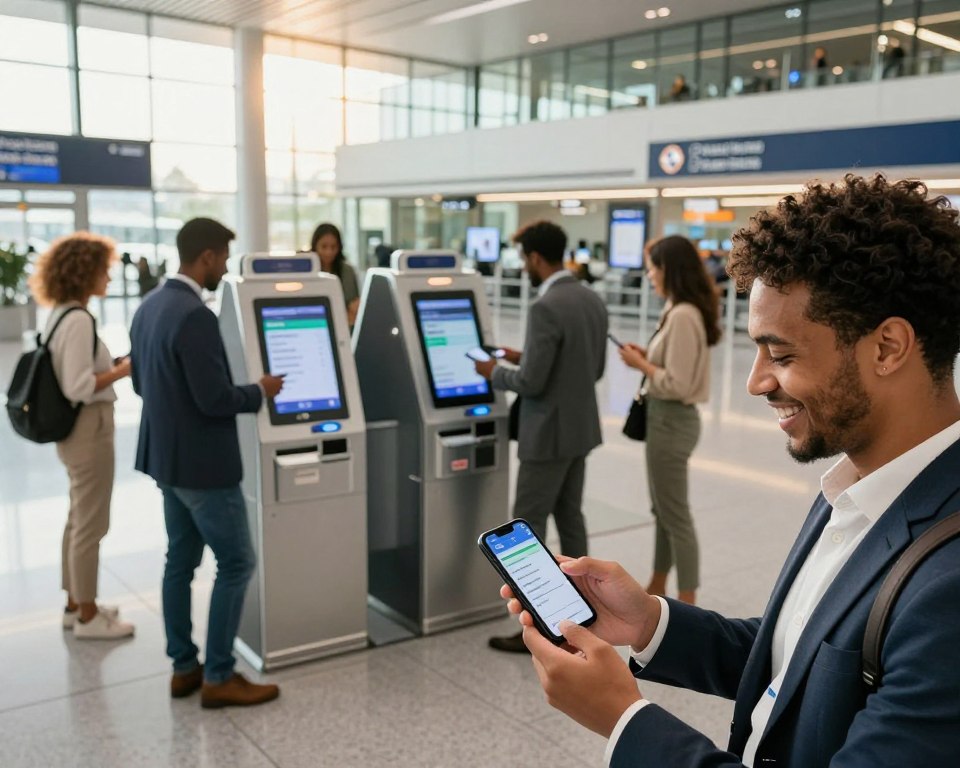
Finally, advancements in air travel, such as faster planes and improved booking systems, contribute to reducing travel times. Innovations like biometric scanning enhance security and processing speeds at airports, streamlining the travel experience significantly.
Navigating Destinations
Digital maps and GPS applications have replaced physical maps, making navigation easier than ever. They offer turn-by-turn directions and help travelers explore new areas with confidence. This level of support allows for spontaneous exploration without fear of getting lost.
Additionally, location-based services provide personalized recommendations based on geographical data. Travelers can discover nearby attractions, restaurants, and hidden gems tailored to their tastes. These services enhance the overall travel experience by opening new possibilities.
Social networks and travel communities also play a substantial role in destination exploration. Platforms such as Instagram and Pinterest inspire travelers by showcasing unique experiences shared by others. This encouragement promotes excitement and adventure within travel planning.
Augmented reality (AR) apps are slowly making their mark in destination navigation. Tools that overlay digital information on real-world landscapes offer tourists enhanced insights into local history and culture. This immersive experience helps deepen their connection to the locations visited.
Lastly, technology-driven guided tours present an interactive way to explore new cities. With provided listening devices or mobile apps, these tours often feature engaging narratives, making them far more enjoyable than traditional guidebooks.
Accommodation Experience
Hotels and other accommodations have embraced technology to enhance guest experiences. Smart room technology allows guests to adjust temperature, lighting, and even entertainment systems conveniently. This level of control can lead to improved comfort during stays.
Mobile check-in and digital room keys streamline the arrival process. Guests can bypass long reception lines using their smartphones to check in and access their rooms. This leads to a hassle-free start to their travel experience.
Moreover, many hotels now offer personalized guest interactions through AI chatbots. These digital assistants can answer questions and fulfill requests, enhancing customer service levels while providing an immediate response to inquiries.
In addition, sharing economy platforms offer unique accommodations, often at competitive prices. Services like Airbnb and Vrbo allow travelers to find local experiences while staying in homes or unique properties, enriching their journeys.
Finally, wi-fi connectivity has become a standard expectation in accommodations. Guests appreciate having access to the internet for both leisure and work purposes during their stays. Reliable connectivity ensures that travelers stay connected at all times.
Enhancing Safety and Security
Technology plays a vital role in ensuring traveler safety and security. Advanced biometric identification methods at airports enhance security protocols, allowing for quicker processing times, which is crucial for travelers.
Additionally, mobile emergency apps enable travelers to quickly contact local authorities in case of emergencies. These applications provide vital information and support, ensuring that help is always within reach.
Encryption technologies protect credit card information during online transactions. As travel bookings move predominantly online, knowing that secure systems are in place allows travelers to book their trips with confidence.
Moreover, location-sharing features increase safety while navigating new destinations. Travelers can share their real-time location with friends or family, providing peace of mind while exploring unfamiliar areas.
Lastly, health tracking devices have gained popularity, helping travelers to monitor their well-being during trips. These devices can remind users to stay hydrated and active, contributing to overall health and safety during travels.
Communication and Connectivity
Technology has bridged the communication gap for travelers. Instant messaging apps, video calls, and social media allow effortless communication with friends and family back home. This connectivity alleviates feelings of homesickness during trips.
Furthermore, mobile data and wi-fi hotspots ensure that travelers stay connected wherever they roam. This accessibility encourages sharing experiences in real-time, enriching both personal connections and social media presence.
Language translation apps have significantly reduced barriers in global travel. With real-time translation capabilities, travelers can engage more fully with locals, enhancing cultural exchanges and interactions. This eases the overall communication process tremendously.
In addition, GPS-enabled communication devices ensure safe travels in remote locations. These devices help travelers maintain contact with others and enable quick assistance if needed, thereby improving their overall sense of security.
Lastly, social media platforms facilitate the sharing of travel experiences. From posting photos to writing reviews, travelers can document their journeys and inspire others to explore similar adventures. This community fosters valuable connections and shared interests.
Conclusion
As we have explored, technology has significantly enhanced the travel experience. From planning and booking to navigation and safety, innovations continuously improve how we travel. Embracing these advancements ensures a more enjoyable and seamless journey.
Looking ahead, it’s clear that technology will continue to shape the future of travel. Staying informed about these developments allows travelers to take full advantage of the opportunities available to them. Ultimately, technology enriches our travel experiences, making them more accessible and enjoyable.
By integrating technology into our travel planning and execution, we can create memorable experiences unlike any other. As such, understanding its role in travel is vital for anyone seeking to explore the world.