Anúncios
Can smarter gear and digital tools really let your trips grow while cutting harm to places you love?
Travel demand has been bouncing back fast, with forecasts showing global travel rising sharply through 2032. That pace puts pressure on destinations and pushes the travel industry to rethink how it manages visitors.
Green technology has shifted from a nice-to-have to a strategic pillar. It helps you lower emissions, track environmental impact, and ease crowding without sacrificing guest experience.
In this piece, you’ll see where technology delivers the most value: smarter energy and water systems, cleaner transport, carbon tracking platforms, and immersive tools that guide choices before booking.
By the end, you’ll understand the role these solutions play in shaping the future of the tourism industry and how your travel strategy can balance short-term performance with long-term goals.
Anúncios
Key Takeaways
- Travel demand is rising; destinations need smarter solutions now.
- Green tech reduces emissions, waste, and crowding while improving experiences.
- Energy, transport, and data platforms offer immediate returns.
- Immersive tools help travelers make intentional choices before they book.
- Investments should align with KPIs that matter to guests, regulators, and partners.
Why green technology matters to the travel industry right now
Growth in travel is outpacing the broader economy, and that gap changes how destinations must plan. McKinsey projects demand will rise about 5.8% annually through 2032, nearly double overall growth. That pace creates real pressure on places and people who host visitors.
Rising demand and the return of global tourism
Regions such as Asia Pacific lead the rebound, with the Middle East, Africa, and Latin America following, per Ibis World. Many countries now exceed pre-pandemic arrivals.
Overtourism risks and environmental impact you need to manage
You face twin risks: crowding that harms culture and ecosystems, and rising greenhouse gases and waste. Immersive previews and responsible platforms can gently redirect visitors to places with capacity.
Anúncios
“The faster travel returns, the more strategic you must be about managing flows and measuring impact.”
Practical steps include modeling environmental impact, surfacing lower-impact options at booking, and adding impact metrics to your dashboards. These moves protect local residents and keep the industry’s social license intact.
- Use data to spread visitation across time and space.
- Share flow insights with tourism boards to reduce crowding.
- Frame the role of green solutions to leadership as risk reduction and brand value.
Defining sustainable tourism tech in a changing world
Travel innovations now span simple efficiency fixes to systems that restore landscapes and cultures. That shift reframes how you measure impact and design offers.
More than harm reduction: define sustainable tourism as practices that regenerate ecosystems, support people, and strengthen local culture. Your approach should favor long-term, community-first strategies over short-term promotion.
From efficiency tools to regeneration-focused systems
Think of technologies as a spectrum. On one end are efficiency tools that cut energy and water use. On the other are innovations that enable restorative outcomes and transparent reporting.
- Set expectations with media: use VR previews and immersive content so travelers choose experiences that match their values and avoid unnecessary trips.
- Favor authenticity: align your roadmap with evidence-based storytelling that highlights local customs and conservation work.
- Embed slow travel and protection: lengthen stays, boost local spend, and add wildlife and heritage safeguards verified by technology.
Measure what matters: establish carbon and biodiversity metrics so you can report progress clearly. That data helps you connect travelers, communities, and the tools that make meaningful change across the industry.
Renewable energy at destinations and hotels: cutting greenhouse gas emissions
At many resorts and hotels, on-site renewables are becoming standard tools to cut operating costs and emissions. You can pair generation and controls to lower your property’s carbon footprint and make operations quieter and more reliable.

Solar, wind, and small-scale hydro as practical options
Solar panels fit roofs and carports at most properties and drive down utility bills. Coastal or exposed corridors can host small wind turbines for remote destinations and resorts.
Micro-hydro works at lodges with compliant water flows, adding steady output where solar varies.
Smart energy management systems that lower a property’s carbon footprint
Intelligent systems monitor load, automate HVAC setpoints, and favor clean generation when available.
- Automate controls to reduce emissions hour by hour.
- Pair storage with renewables to keep services during grid outages.
- Use analytics to spot gas or equipment drift and trigger fixes.
What this means for guest experience in the United States
You’ll see quieter rooms, steadier temperatures, and cleaner air—all improvements that guests notice.
Communicate upgrades clearly so travelers know your practices cut greenhouse impact without sacrificing comfort.
Water and waste: technologies that shrink the footprint without hurting the experience
Cutting water use and waste doesn’t require trade-offs. You can protect fragile areas and lower costs while keeping guest comfort high. Simple upgrades and smart controls make that possible.
Smart irrigation, recycling, and low-flow fixtures for water-scarce areas
Smart irrigation waters landscaping only when and where needed. Facilities reuse non-potable water for irrigation and cleaning, preserving potable supplies in arid areas.
Low-flow toilets, showers, and faucets cut consumption without reducing shower pressure or room comfort. These systems lower bills and show measurable reductions in water use.
Composting, recycling programs, and biodegradable products that reduce waste
Composting programs turn organic waste into soil inputs for gardens and local farms. Recycling stations in high-traffic areas limit landfill loads and help you report on environmental impact.
- Adopt low-flow fixtures and behind-the-scenes recycling systems that protect scarce water.
- Deploy smart irrigation and reuse systems to lower utility costs and reduce gas emissions indirectly.
- Standardize biodegradable products and clear signage so guests and staff join the effort.
- Measure reductions in waste and water use to support certifications and community grants.
Work with local haulers and communities to strengthen recycling streams and keep materials out of sensitive ecosystems. With the right products and practices, your footprint shrinks while guest satisfaction stays premium.
Eco-friendly transportation choices once you arrive
When you arrive, the way you move around can shape the whole trip—and the planet you leave behind. Destinations now add electric buses, rental EVs, and bike-share networks so you can explore with less noise and air pollution.
EV fleets, bike sharing, and upgraded public transport
EV shuttles and car rentals cut local emissions and make short transfers quiet and predictable. Hotels and attractions are expanding charging so you and other people can choose cleaner vehicles.
Bike sharing and protected lanes turn short trips into joyful rides. Improved buses and frequent rail connections reduce the need for private cars and open more of the area to visit.
How mode shifts reduce emissions and improve communities
You can design choices that nudge visitors toward low-carbon travel without limiting what tourist travelers can see. Highlight routes in apps, curate low-carbon day plans, and bundle nearby points of interest to shorten trips.
- Prioritize EV shuttles, bike lanes, and quick rail connections to lower carbon and footprint.
- Partner with cities on shared bikes and protected lanes to benefit communities and residents.
- Track mode-shift savings and share results so travelers trust your approach.
“Faster, quieter transport options make exploring easier and improve life for locals.”
Sustainable building materials and smart infrastructure for tourism
From foundation to rooftop, the materials and controls you pick shape energy performance and lifecycle impact.
Eco-friendly construction and green roofs/walls
Cut embodied impacts by specifying bamboo, recycled steel, and high-performance insulation in new builds and renovations.
Green roofs and living walls add insulation, reduce urban heat islands, and manage stormwater. They also create calmer guest spaces in busy areas.
- You can standardize onsite sorting and recycling to limit construction waste and meet corporate targets.
- Smart glass, dynamic shading, and natural ventilation lower peak loads and improve comfort.
Automation, access control, and energy-saving systems
Smart building technologies and interoperable systems let you automate occupancy sensors, HVAC setpoints, and door access to cut unnecessary use.
- Pair building analytics with maintenance workflows to find faults early and reduce greenhouse emissions.
- Choose interoperable systems to avoid vendor lock-in and unlock future upgrades.
- Quantify energy savings and highlight benefits in guest messaging and RFPs to win hotels and travel partners.
Immersive media and virtual previews: lower-impact ways to explore
Immersive previews let you explore a place deeply before you book a single flight. These previews reduce guesswork and help you make better travel choices that fit your values and schedule.
Drones, 360-degree views, and VR that inform better choices
You can use drones, 360° content, and VR to let travelers “try before they fly.” These innovations cut unnecessary trips by showing real crowd patterns, room layouts, and access routes.
Photographer Jeff Colhoun uses compact drones and solar-powered setups to capture remote places without disrupting communities. His approach shows how lightweight production preserves wildlife and local life while delivering a rich experience.
Authentic storytelling that supports culture and conservation
Story-driven previews replace generic listings with lived experiences that build respect. When you spotlight local guides and cultural context, you help visitors pick activities that sustain places they visit.
- You can disperse demand by promoting lesser-known destinations with capacity and consent.
- Convert previews into itineraries that flag low-impact choices at each step.
- Adopt ethical filming guidelines to protect sacred spaces and resident privacy.
In short, immersive media expand your role as an educator and curator. Use these products to inspire curiosity while making the lower-impact way to explore feel exciting, not limiting.
Data-driven platforms powering sustainable tourism tech
Data platforms now let you see a trip’s full impact in real time, so decisions happen before checkout. TripStax centralizes booking data in a live warehouse (TripStax Core) and enriches each booking an average of six times through ten modules.
Centralized data, automated carbon tracking, and real-time enrichment
TripStax sent 43.6 million automated CO₂ requests to Thrust Carbon in 2023 (+18% YoY) to pull per-segment emissions. That scale makes carbon visible at booking, not as a post-trip note.
With 88% of bookings receiving third-party checks for security and wellness (+54% YoY), you can combine emissions signals with duty-of-care data in one view.
From CO₂ reporting to duty of care: aligning ESG with traveler wellbeing
You’ll pair greenhouse gas reporting with risk and wellness feeds so traveler safety and ESG reporting move together. This approach makes reporting auditable and decisions defensible.
Modular tools that scale across the industry
- Start with a single Core and add modules for carbon reporting, hotel directories, or rail-first recommendations.
- Reduce vendor costs with one ingestion fee and a single source of truth.
- Use real-time intelligence to nudge travelers toward lower-carbon options and certified providers at booking.
“Centralized systems let you embed carbon data into choices, improving accuracy and lowering integration costs.”
Learn more about how new approaches reshape the travel industry in this overview.
Community impact and regenerative tourism: turning tech into local value
When you design travel around people who live in a place, you multiply the good that visits can do.
Slow travel emphasizes fewer activities and more time in-destination. That reduces crowd density and deepens cultural connections.
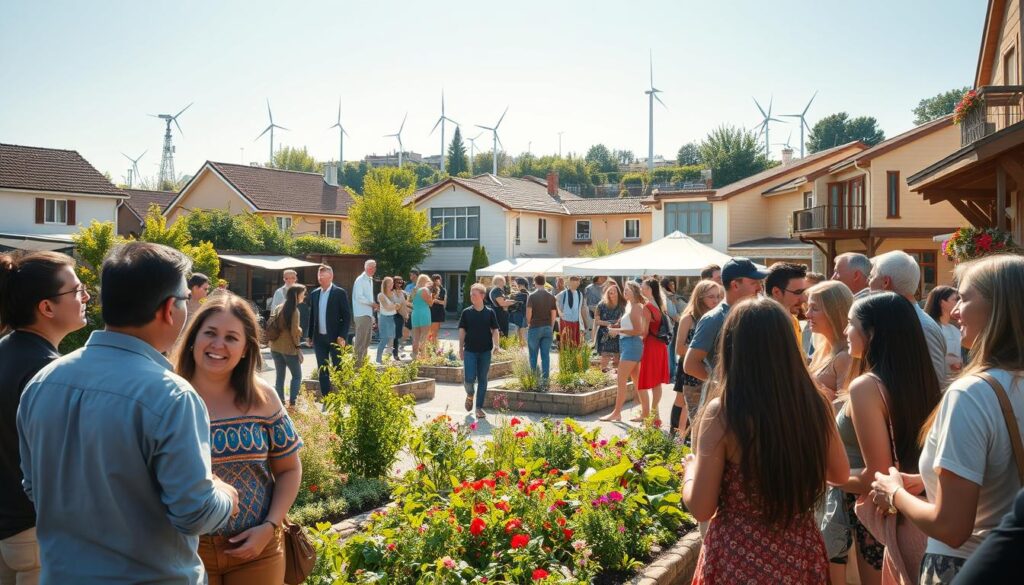
Slow travel, wildlife conservation, and initiatives that protect destinations
You can design initiatives that keep more value in the community by favoring local guides, providers, and artisans. This helps the local economy and reduces pressure on sensitive areas.
Channel part of trip revenue to wildlife conservation and habitat restoration. Use transparent reporting so travelers see the impact of their choices.
- You’ll promote slow travel to extend stays and increase local spend.
- You’ll use technologies to verify operators and monitor visitation against community priorities.
- You can prioritize destinations ready to welcome visitors and pace growth to protect resident wellbeing.
Embed conservation storytelling in pre-trip materials so respect carries into on-the-ground behavior. Partnerships with tourism boards and brands create long-term, community-first programs rather than one-off campaigns.
“Measure outcomes—jobs created, habitats restored, cultural programs funded—to prove that responsible choices strengthen the local economy.”
At scale, these initiatives turn intent into tangible benefit. You’ll show how thoughtful practices make the world of travel richer for both visitors and hosts. For more on regeneration as a strategy, see regenerative tourism is the new future.
Conclusion
By combining practical upgrades with data-led systems, you can cut a trip’s footprint while improving guest experience, and make results easy to track.
Start small: deploy quick-win practices for energy, water, and waste, then add automated carbon tracking and modular technologies that scale with your budget.
Keep travelers at the center by using immersive previews and better on-the-ground transport so the lower-impact way feels like the best way. Partner with communities to ensure innovations amplify local value, not just efficiency.
In short, this approach turns intent into measurable gains—lower emissions, clearer impact reporting, and a future where great trips are also good for places and people.
FAQ
What is the role of green technology in the travel industry?
Green technology helps you cut emissions, reduce waste, and improve energy use at hotels, transport hubs, and destinations. It includes renewable power systems, smart energy management, water-saving devices, and electric mobility. These solutions lower operating costs and improve guest experience while protecting local environments and communities.
Why does green technology matter to the travel industry right now?
Global travel is rebounding, so demand for clear environmental action has risen. You face pressure from travelers, regulators, and investors to reduce greenhouse gas emissions and show responsible practices. Adopting modern solutions helps you manage overtourism risks and deliver measurable impact.
How can hotels and destinations address overtourism and environmental impact?
Use data platforms to monitor visitor flows, implement booking limits for sensitive sites, and shift demand through dynamic pricing or off-peak promotions. Pair these policies with investment in durable infrastructure and community-led programs to protect nature and local livelihoods.
What does “green technology” encompass today?
It spans efficiency tools like building automation, renewable energy generation, water reclamation systems, EV charging, plus platforms for carbon tracking and guest engagement. The focus is shifting from simple efficiency to regeneration and positive community impact.
Which renewable energy options are practical for hotels and destinations?
Solar PV arrays, small wind turbines where appropriate, and micro-hydro for suitable sites are proven options. You can combine on-site generation with battery storage and grid-supplied renewables to increase resilience and lower your property’s carbon footprint.
How do smart energy management systems help properties reduce their carbon footprint?
These systems optimize HVAC, lighting, and plug loads using sensors and predictive controls. They reduce unnecessary consumption, balance power from renewables and storage, and provide data for continuous improvement. That saves energy and improves guest comfort.
Will investing in green power affect guest experience in the United States?
Generally, it enhances the experience. Guests expect clean, comfortable stays and often prefer properties that demonstrate environmental leadership. Solar shades, efficient heating, and quieter EV shuttles can boost satisfaction while lowering operating costs.
What water and waste technologies should you prioritize in water-stressed areas?
Install low-flow fixtures, smart irrigation controllers that use weather data, and greywater recycling where code allows. For waste, start composting food scraps, improve recycling streams, and switch to biodegradable amenities to shrink landfill impact.
How do composting and recycling programs benefit operations and communities?
They reduce disposal costs and methane emissions, create local compost for landscaping or farms, and support circular-economy jobs. Engaging guests and staff in these programs builds local goodwill and enhances your brand.
What transport options reduce emissions once travelers arrive?
Electric vehicle fleets for airport transfers, bike-share programs, improved public transit connectivity, and partnerships with e-scooter or shuttle providers all reduce car dependency. These choices cut greenhouse gas emissions and ease congestion in destinations.
How does shifting travel modes improve local communities?
Mode shifts lower air and noise pollution, free up road space, and increase accessibility. That boosts resident quality of life, supports local businesses, and helps preserve natural areas that attract visitors.
Which building materials and infrastructure choices support eco-friendly properties?
Use low-carbon materials like responsibly sourced timber, recycled steel, and low-emission concrete alternatives. Green roofs, living walls, and high-performance glazing improve insulation and biodiversity. Smart access control and automation cut wasteful energy use.
Can immersive media reduce the physical impact of exploration?
Yes. VR, 360-degree tours, and high-quality drone footage let travelers preview sites, reducing impulse visits to fragile areas. These tools also educate visitors before they arrive, encouraging respectful behavior and better route planning.
How does authentic storytelling support culture and conservation?
When you present local voices and traditions accurately, travelers value cultural integrity and support conservation initiatives. Digital storytelling can fund community programs and create deeper experiences without increasing physical strain on places.
What role do data-driven platforms play in measuring impact?
Centralized platforms collect occupancy, energy, and transport data to automate carbon tracking and ESG reporting. Real-time insights let you optimize operations, prove reductions to stakeholders, and meet regulatory or guest expectations.
How do carbon reporting and traveler wellbeing align in operations?
Combining CO₂ measurement with duty-of-care features—like health alerts, safe-routing, and localized guidance—ensures you protect both the planet and your guests. Integrated systems let you meet compliance while improving safety and satisfaction.
What are modular tools and why do they matter across the industry?
Modular tools are scalable software and hardware components you can deploy in stages—energy meters, carbon APIs, booking integrations. They allow independent hotels, tour operators, and DMOs to adopt improvements without heavy upfront investment.
How can technology support regenerative tourism and local value creation?
Tech can promote slow travel options, facilitate community-run tours, and direct visitor spending to local businesses. Platforms that track benefits to communities ensure projects like wildlife conservation and cultural programs receive sustained support.
What first steps should you take to adopt better environmental practices?
Start with an energy and waste audit, set clear reduction targets, and pilot high-impact measures—LED retrofits, smart thermostats, or an EV shuttle. Use data tools to measure progress and communicate wins to guests and partners.